You Won’t Believe What I Learned About Montreal’s Food Scene—Avoid These Mistakes!
Montreal’s food culture is a vibrant mix of French elegance and North American boldness, but diving in without knowing the pitfalls can turn a dream meal into a disappointment. I’ve tasted my way through poutine, bagels, and smoked meat—some hits, some serious misses. From overhyped tourist traps to under-seasoned 'local' dishes, the city’s culinary scene is full of surprises. Here’s how to eat like a true local, not a clueless visitor.
The Allure of Montreal’s Culinary Identity
Montreal has long stood out as one of North America’s most distinctive food cities, where centuries of cultural blending have created a cuisine that is both deeply traditional and refreshingly innovative. At its heart lies a strong French-Canadian foundation—evident in everything from buttery croissants to slow-cooked tourtière—but layered over time with influences from Italian, Jewish, Haitian, Lebanese, and Vietnamese communities. This fusion doesn’t just exist side by side; it intertwines, creating dishes and dining experiences found nowhere else on the continent.
What sets Montreal apart isn’t just variety—it’s authenticity. Unlike many cosmopolitan cities where ethnic cuisines are adapted for mainstream palates, Montrealers tend to honor the original forms of their immigrant-influenced dishes. A plate of steaming dumplings in Chinatown tastes remarkably close to those in Guangzhou, while a falafel sandwich in Parc-Extension carries the same bold spices as one in Beirut. This commitment to culinary integrity has earned the city UNESCO’s designation as a City of Design and a growing reputation as a global gastronomic destination.
Food here isn’t merely sustenance—it’s a central part of daily life and civic pride. Locals gather at outdoor markets in summer, debate the merits of smoked meat cuts at lunch counters, and plan weekend visits around bakery openings. The rhythm of the city often follows the seasons of food: pea soup warms winter afternoons, while fresh strawberries from nearby farms appear in tarts by late June. To visit Montreal and ignore its food culture is to miss the soul of the city itself. Understanding this deep connection prepares travelers to appreciate not just what they’re eating, but why it matters.
Poutine: Beyond the Tourist Hype
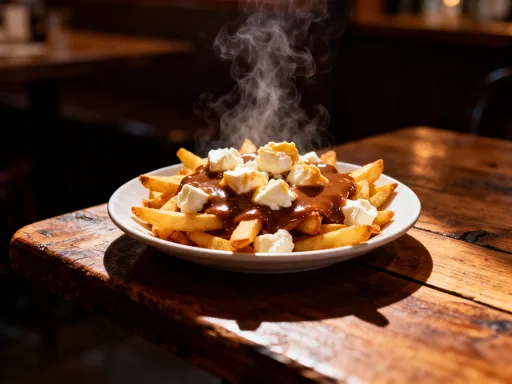
No dish symbolizes Quebec’s culinary spirit quite like poutine—a humble yet indulgent combination of crispy fries, fresh cheese curds, and rich brown gravy. Born in rural diners in the 1950s, it has evolved into a national icon, often imitated but rarely replicated with authenticity. Yet, for all its fame, most tourists experience a watered-down, overpriced version served near major attractions like Old Montreal or the convention center. These versions often use pre-frozen fries, reheated gravy, and rubbery cheese substitutes, stripping away the very qualities that make poutine special.
The magic of authentic poutine lies in texture and timing. The fries must be golden and crisp on the outside, fluffy within, fried to order rather than held under heat lamps. The cheese curds should be squeaky when bitten—ideally sourced from local dairies within hours of production. And the gravy? It must be hot enough to slightly melt the curds without dissolving them, rich with meaty depth but not so thick that it smothers the dish. When these elements come together at the right moment, the result is a harmonious blend of warmth, salt, and comfort unlike any other.
To find real poutine, step away from the tourist zones. Neighborhood spots like La Banquise in Plateau Mont-Royal or Patati Patata in Rosemont-Petite-Patrie are frequented by locals who know the difference. These establishments often offer creative variations—such as adding bacon, mushrooms, or even foie gras—but even their classic version outshines most downtown imitations. Some purists argue that innovation dilutes tradition, but in Montreal, evolution is part of the culture. The key is ensuring that any twist still respects the core principles of quality ingredients and careful preparation.
Bagel Wars: Fairmount vs. St-Viateur—And What Most Tourists Get Wrong
The rivalry between Fairmount Bagel and St-Viateur Bagel is legendary in Montreal, with passionate supporters on both sides debating which produces the superior wood-fired bagel. Both bakeries have been operating for decades—Fairmount since 1919, St-Viateur since 1957—and each has earned its place in the city’s culinary folklore. Their bagels, slightly sweetened with honey and baked in wood-burning ovens, are denser and chewier than their New York counterparts, with a caramelized crust that crackles under your teeth.
Yet, too many visitors treat this rivalry as a checklist item, rushing to one or both locations during peak hours only to find long lines, impatient staff, and lukewarm products. Arriving at 10 a.m. on a Saturday means waiting 30 minutes or more, and by the time you get your bagel, the heat has faded and the crust has softened. Worse, some tourists buy several to-go boxes without tasting them fresh, missing the essence of what makes Montreal bagels special—the immediacy of the experience.
A smarter approach is to visit early—ideally before 8 a.m.—when the ovens are still hot and the first batches are coming out. Alternatively, explore lesser-known but equally devoted local favorites such as Bagel Etc. in Outremont or Dupuy Bagel in Laval. These spots may lack the international fame of the big two, but they serve equally high-quality bagels with shorter lines and friendlier service. Some even offer unique flavors like sesame-dill or garlic-herb, expanding the traditional repertoire without sacrificing authenticity.
Another overlooked tip is to pair your bagel with local accompaniments. A schmear of Quebec-made cream cheese, a slice of smoked salmon from a nearby deli, or a dollop of house-pickled vegetables can elevate the experience. And don’t forget a strong cup of coffee—Montrealers take their java seriously, and many small roasters now supply beans to neighborhood cafes. The bagel, after all, is not just a snack; it’s a ritual, best enjoyed slowly and with intention.
Smoked Meat Missteps: Ordering Like a Pro vs. a Rookie
Montreal-style smoked meat is a cornerstone of the city’s deli tradition, a spiced, cured, and slow-smoked brisket that rivals any barbecue in tenderness and flavor. Prepared using methods passed down from Eastern European Jewish immigrants, it’s typically served hot and piled high on rye bread with yellow mustard. Yet, many tourists unknowingly sabotage their meal before it even reaches the table—by ordering the wrong cut, skipping essential sides, or choosing a subpar deli.
The most common mistake is selecting “lean” meat out of health concerns, not realizing that the fat is where much of the flavor resides. Lean smoked meat can be dry and stringy, lacking the juicy richness that defines the dish. “Medium” is widely considered the ideal balance—marbled enough to stay moist during steaming, yet not overly greasy. “Fat” is for true connoisseurs who appreciate the melt-in-your-mouth texture, though it may be too rich for first-time eaters.
Another overlooked element is the importance of house-made pickles. A slice of sour dill pickle cuts through the meat’s richness, providing a bright, acidic contrast that completes the flavor profile. At top-tier delis like Schwartz’s or Lester’s, these pickles are brined in-house and served fresh daily. Skipping them—or worse, substituting with store-bought varieties—diminishes the experience significantly.
Location also matters. While Schwartz’s on Saint-Laurent is the most famous destination, its constant crowds can lead to inconsistent service and longer wait times between slicing and serving, affecting temperature and texture. Consider visiting during off-peak hours or trying equally respected but less crowded spots like Main Deli Steak House or Snowdon Deli. These establishments adhere to the same curing and smoking standards but offer a more relaxed atmosphere, allowing diners to savor the meal without distraction.
Hidden Gems vs. Overrated Spots: How to Spot the Difference
In an age of social media, it’s easy to confuse popularity with quality. Restaurants with striking interiors, photogenic dishes, and aggressive influencer marketing often dominate travel guides and online rankings—yet many fail to deliver on taste or authenticity. In Montreal, where true culinary excellence often hides behind unassuming facades, discerning travelers must learn to look beyond aesthetics and recognize the signs of a genuinely beloved local eatery.
One of the most reliable indicators is customer composition. If a restaurant is filled with French-speaking locals, especially during weekday lunches or early dinners, it’s likely serving something worth trying. Conversely, places where nearly every table speaks English and orders from laminated tourist menus may be catering more to expectations than to authentic flavor. Menu simplicity is another clue: restaurants with concise, seasonal offerings often focus on perfecting a few dishes rather than appealing to every palate.
Observe the language on the menu. While English is widely spoken in Montreal, especially in central areas, a fully bilingual or French-dominant menu often signals respect for local culture. Be cautious of places that offer only English menus with exaggerated descriptions like “world-famous” or “best in Canada”—these are often red flags for inflated prices and underwhelming food. Authentic spots tend to let the food speak for itself, with straightforward names and minimal embellishment.
Another subtle sign is the presence of regulars. Do staff greet certain customers by name? Are there long-time patrons sitting at the counter, chatting with the cook? These interactions suggest a sense of community and continuity, qualities that rarely develop around fleeting trends. Additionally, check whether the restaurant uses local ingredients—many neighborhood bistros proudly display partnerships with Quebec farms, dairies, or fisheries, reinforcing their commitment to regional cuisine.
Seasonality and Timing: When to Eat What
Montreal’s harsh winters and vibrant summers shape not only its architecture and street life but also its food calendar. The city’s cuisine is deeply seasonal, with certain dishes and ingredients only reaching their peak during specific months. Travelers who align their dining plans with the rhythm of the seasons are rewarded with fresher ingredients, better preparation, and a more immersive cultural experience.
Winter is the time for hearty, warming foods. Tourtière, a spiced meat pie traditionally served during the holidays, reaches its zenith in December and January, often made with a blend of pork, beef, and potatoes, seasoned with cloves and cinnamon. Pea soup, another cold-weather staple, is slow-simmered with salted pork and served with crusty bread—a common offering at family-run diners across the city. Even poutine takes on a deeper role during this season, functioning as both comfort food and social ritual at late-night gatherings.
As temperatures rise, Montreal transforms into an open-air kitchen. Summer brings the Jean-Talon and Atwater markets to life, where farmers from surrounding regions sell ripe berries, heirloom tomatoes, fresh herbs, and artisanal cheeses. This is the best time to try dishes featuring raw, seasonal produce—think goat cheese salads with wild greens, chilled beet soups, or berry tarts made with just-picked strawberries. Outdoor terraces buzz with activity, and many restaurants launch seasonal menus highlighting local seafood, such as perch from the St. Lawrence River or mussels from the Gaspé Peninsula.
Timing your visit around food festivals can also enhance your experience. The Mondial de la Bière, held annually in August, celebrates craft beer with tastings, brewery collaborations, and food pairings. Restaurant Week (formerly known as Dîners en Blanc) in spring and fall offers fixed-price menus at top establishments, allowing visitors to sample high-end cuisine at accessible prices. These events not only showcase culinary talent but also reflect Montreal’s deep appreciation for shared dining experiences.
Navigating Language and Etiquette: A Subtle but Crucial Factor
Dining in Montreal is as much about culture as it is about cuisine. As a predominantly French-speaking city, Montreal has unspoken social norms that influence how meals unfold, especially in neighborhood restaurants. While most service staff in tourist-heavy areas are fluent in English, making a simple effort in French—such as greeting with “Bonjour” or thanking with “Merci”—can significantly improve your reception. In some cases, skipping the French greeting may be seen as rude, regardless of how politely you speak English.
The pace of service also differs from what many North American visitors expect. Meals in local bistros are meant to be savored, not rushed. Waitstaff may not check in frequently, not because they’re inattentive, but because they assume you’re enjoying a leisurely experience. Asking for the check immediately after dessert might be met with a pause or a polite delay—better to signal your readiness by closing your menu or gathering your belongings.
Volume matters too. Montrealers generally speak in moderate tones, even in lively settings. Loud conversations, especially in English, can draw noticeable reactions in cozy, family-run establishments. This isn’t hostility—it’s a cultural preference for respectful, understated interaction. By adjusting your demeanor to match the environment, you show appreciation for the space and the people who inhabit it.
Tipping customs follow North American norms—15–20% is standard—but the attitude toward service is more European. Staff do not rely solely on tips, and the relationship between diner and server is less performative. A warm “Bon appétit” from the waiter isn’t just formality; it’s an invitation to enjoy the meal as part of a shared moment. Recognizing these nuances allows visitors to move beyond transactional dining and connect more deeply with the city’s culinary soul.
Conclusion: Eating with Respect, Curiosity, and Smarter Choices
Montreal’s food scene is not a checklist to be completed, but a living culture to be experienced with openness and awareness. The most memorable meals are rarely the most photographed—they’re the ones enjoyed in quiet neighborhood spots, shared with locals, or discovered by chance after a long walk through tree-lined streets. Avoiding common mistakes—like choosing tourist traps, ignoring seasonality, or overlooking cultural etiquette—doesn’t just improve your dining experience; it deepens your connection to the city.
Authenticity in Montreal isn’t found in flashy signs or online hype, but in the details: the squeak of fresh cheese curds, the warmth of a wood-fired bagel, the balance of fat and spice in smoked meat. It’s in the rhythm of the markets, the language spoken at the counter, and the care taken in slow-cooked dishes meant to nourish both body and community. By slowing down, asking questions, and making mindful choices, travelers can move beyond surface-level consumption and participate in something more meaningful.
So when you visit Montreal, resist the urge to chase every trend or rank every restaurant. Instead, let curiosity guide you. Talk to shopkeepers, observe where locals line up, and don’t be afraid to try something unfamiliar. With respect and intention, every meal becomes more than just food—it becomes a story, a memory, and a small act of cultural exchange. That’s how you don’t just eat in Montreal—you truly taste it.