You Won’t Believe These Hidden Natural Gems Outside Lusaka
When I first thought of Lusaka, I pictured city streets and markets—but what I discovered just beyond the capital blew me away. Untamed landscapes, golden savannas at sunset, and rivers winding through untouched wilderness created scenes so Instagram-worthy I kept pinching myself. Zambia’s natural beauty isn’t just in its famous parks; it’s right here, quiet and waiting. If you’re chasing authentic, jaw-dropping scenery off the tourist trail, this is your sign to explore.
Reimagining Lusaka: More Than a Capital City
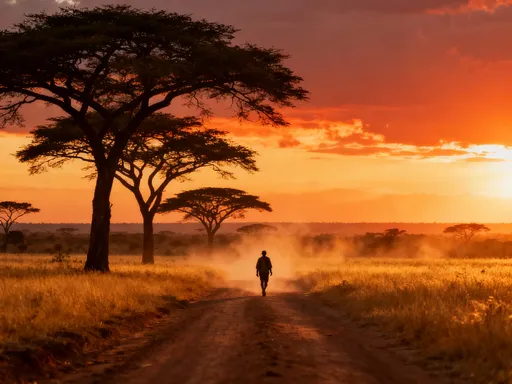
Lusaka is often seen as a bustling urban center, a hub of commerce, culture, and everyday life in Zambia. Its markets hum with energy, its streets pulse with movement, and its people radiate warmth and resilience. Yet for many travelers, the story ends there—assuming that beyond the city limits lies only more pavement, more traffic, more noise. But this perception couldn’t be further from the truth. Just a short drive outside the city, the rhythm of life shifts. The air grows stiller. The horizon stretches wider. The earth turns red beneath your tires, and acacia trees rise like sentinels against the sky.
The transformation begins subtly. As the city’s skyline fades in the rearview mirror, small farms dot the roadside, their fields dotted with goats and children waving at passing cars. Dust kicks up behind your vehicle, catching the afternoon light like powdered gold. Then, the road straightens, and suddenly you’re surrounded by open savanna, where antelope dart between thickets and the wind carries the scent of dry grass and distant rain. This is not the edge of nowhere—it’s the beginning of something wild and wondrous.
Lusaka, in truth, is not an endpoint but a gateway. It sits at the heart of a country blessed with extraordinary natural diversity. From here, some of Zambia’s most breathtaking landscapes are within comfortable reach, often just two to three hours by car. Whether you’re a weekend traveler, a photography enthusiast, or a mother seeking a peaceful escape from daily routines, these nearby wilderness areas offer a chance to reconnect—with nature, with yourself, and with the quiet beauty of the African countryside. The city may be where you start, but the real adventure begins the moment you leave it behind.
The Magic of the Lukanga Swamp: A Wetland Wonderland
One of the most serene and overlooked natural treasures near Lusaka is the Lukanga Swamp, a vast wetland system that pulses with life just a two-hour drive northwest of the capital. This expansive network of waterways, flooded grasslands, and papyrus-lined channels is a sanctuary for birdlife, a haven for quiet contemplation, and a photographer’s dream at dawn. Unlike the more famous wetlands of southern Africa, Lukanga remains largely undiscovered by mass tourism, preserving its tranquility and ecological integrity.
At sunrise, the swamp transforms into a living canvas. Mist rises from the still waters, curling like smoke above lily pads and reeds. The call of the African fish eagle echoes across the marsh, while kingfishers flash like jewels between branches. Herons stand motionless in shallow pools, waiting for the perfect moment to strike. For those with a camera or even a smartphone, the early morning light paints everything in soft gold and silver, creating reflections so clear they blur the line between sky and water. This is the magic of Lukanga—its ability to slow time, to invite stillness, and to reward patience with moments of pure visual poetry.
Visiting responsibly is key to preserving this delicate ecosystem. Hiring a local guide not only supports community livelihoods but also ensures a richer, safer experience. Guides know the best vantage points, understand seasonal changes, and can identify species you might otherwise miss. The ideal time to visit is during the dry season, from May to October, when water levels are lower, and wildlife is more concentrated along accessible channels. Bring lightweight clothing, insect repellent, binoculars, and a reusable water bottle. Avoid plastic, stay on designated paths, and refrain from disturbing nesting birds or feeding animals. By traveling with care, you help protect this hidden gem for future generations.
Kafue National Park: Where Wilderness Feels Infinite
Just a three-hour drive west of Lusaka lies Kafue National Park, one of Africa’s oldest and largest protected areas. Spanning over 22,000 square kilometers, it is a land of staggering variety—floodplains that shimmer under open skies, dense miombo woodlands alive with bird song, and the mighty Kafue River carving its way through ancient rock. While often overshadowed by more famous parks like South Luangwa or Victoria Falls, Kafue offers an unparalleled sense of solitude and raw, unfiltered nature.
What makes Kafue truly special is its sense of space. Here, you can drive for miles without seeing another vehicle, hear only the rustle of grass and the distant grunt of a buffalo, and feel the sun warm your skin as elephants move like shadows through the trees. The Busanga Plains in the north are particularly renowned, especially during the dry season when seasonal floods recede, attracting vast herds of red lechwe, zebra, and wildebeest. Predators follow closely—lions patrol the edges, cheetahs scan the horizon, and leopards retreat into thickets at first light.
For photographers and nature lovers, the golden hours—shortly after sunrise and before sunset—are nothing short of magical. The low sun casts long shadows, highlights textures in the grass, and bathes animals in a warm, ethereal glow. The silence at dusk is profound, broken only by the occasional whoop of a hyena or the deep breath of a hippo emerging from the river. Staying at one of the park’s eco-friendly lodges or campsites allows you to immerse yourself fully, waking to birdsong and falling asleep to the sounds of the bush. Kafue isn’t just a destination; it’s an experience of wilderness at its most expansive and untouched.
Chantyanya Hills: Unexpected Elevation and Panoramic Views
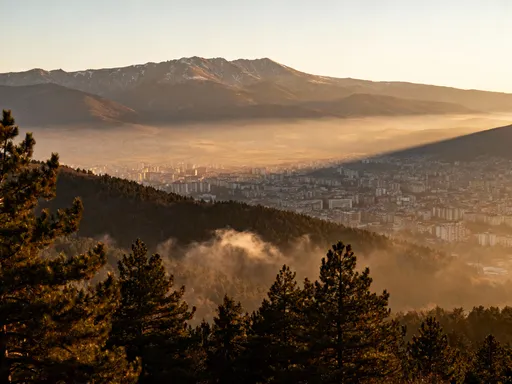
Rising gently from the flat plains near the town of Chisamba, about two hours from Lusaka, the Chantyanya Hills offer a surprising change of pace and perspective. These rolling hills, shaped by ancient geological forces, provide sweeping panoramic views that stretch farther than the eye can see. With their grassy slopes, rocky outcrops, and scattered woodlands, they are a perfect destination for a day hike, a family picnic, or a quiet moment of reflection above the world.
What sets Chantyanya apart is its accessibility and versatility. Unlike more remote mountain ranges, these hills are easy to reach and suitable for visitors of all ages and fitness levels. Well-marked trails lead to high points where you can sit on sun-warmed boulders and watch clouds drift across the valley below. The play of light throughout the day creates endless opportunities for photography—morning fog clinging to the slopes, midday sun illuminating wild grasses, and sunset turning the sky into a blaze of orange and pink.
During the rainy season, from November to April, the hills come alive with color. Wildflowers bloom in bursts of purple, yellow, and red, transforming the landscape into a living tapestry. This seasonal transformation makes Chantyanya especially popular with photographers and nature enthusiasts looking for vibrant, Instagram-worthy backdrops. Families often bring blankets and baskets for picnics, enjoying the fresh air and open space away from city noise. Local guides are available to lead walks, share knowledge about native plants, and point out bird species such as the majestic augur buzzard circling overhead. By supporting local tourism initiatives, visitors contribute directly to community development while enjoying a peaceful, scenic escape.
The Kafue River: Nature’s Mirror for Dreamy Reflections
Flowing through the heart of Kafue National Park, the Kafue River is more than a lifeline for wildlife—it is a work of art in motion. For much of the year, its waters move slowly, creating long stretches of stillness that reflect the sky, trees, and animals like a perfect mirror. At sunrise, when the air is calm and the light is soft, the river becomes a canvas of color and symmetry, offering some of the most breathtaking photographic opportunities in the region.
Imagine standing on the riverbank as a herd of elephants steps into the water, their silhouettes doubling in the glassy surface. Or watching a fish eagle dive, its wings outstretched, mirrored perfectly below. These moments are not staged; they unfold naturally, quietly, and with a grace that feels almost sacred. The riverbanks are lined with fig trees, their roots gripping the soil like ancient hands, while hippos grunt in the distance and crocodiles sun themselves on sandbanks.
To experience the Kafue River with respect and care, it’s important to follow ethical guidelines. Always maintain a safe distance from wildlife, especially hippos and crocodiles, which can be unpredictable. Avoid loud noises, sudden movements, or attempts to feed animals. If you’re taking photos, use zoom lenses rather than approaching too closely. Boat safaris, when offered by licensed operators, provide a peaceful way to observe the river without disturbing its delicate balance. Many local guides emphasize the importance of ‘leave no trace’ principles—packing out all trash, avoiding single-use plastics, and respecting local customs. By doing so, you help ensure that the river remains a pristine, life-giving force for years to come.
Practical Tips for Capturing the Beauty Responsibly
Exploring the natural wonders near Lusaka is rewarding, but doing so wisely enhances both your experience and the longevity of these landscapes. Timing is crucial. For photography and comfort, aim to arrive at your destination early in the morning, between 5:30 and 7:30 a.m. This is when light is most flattering, temperatures are cooler, and wildlife is most active. Late afternoon, from 4:00 to 6:30 p.m., offers another golden window, especially for sunset shots over hills or rivers.
To avoid crowds, choose weekdays over weekends and visit during the shoulder months—April to May or October to November—when tourist numbers are lower. While peak dry season offers the best wildlife viewing, it can also bring more visitors to popular spots like Kafue. Spreading out your travel times helps preserve the sense of solitude these places offer.
When it comes to gear, you don’t need professional equipment to capture stunning images. Modern smartphones have excellent cameras, especially in good light. Use the rule of thirds for composition, tap to focus on your subject, and enable grid lines for better framing. For added stability, rest your phone on a rock or use an inexpensive tripod. If you have a compact camera, set it to landscape or portrait mode depending on your scene, and shoot in RAW format if possible for better editing flexibility.
Equally important is practicing eco-conscious travel. Carry reusable water bottles, food containers, and shopping bags. Dispose of waste properly or take it with you. Stay on marked trails to prevent soil erosion and avoid picking plants or disturbing animal habitats. Support local economies by hiring guides, buying crafts, and staying at community-run lodges. These small choices add up, contributing to sustainable tourism that benefits both people and nature. Remember, the goal is not just to take beautiful photos, but to leave no trace and inspire others to do the same.
Why These Landscapes Matter Beyond the Photo
The beauty of the Lukanga Swamp, the vastness of Kafue National Park, the quiet grace of the Chantyanya Hills, and the reflective stillness of the Kafue River are more than just backdrops for social media. They are vital ecosystems that support biodiversity, provide clean water, and sustain the livelihoods of local communities. They are also spaces of healing, learning, and connection—for Zambians and visitors alike. In a world that often feels rushed and disconnected, these landscapes invite us to slow down, to breathe deeply, and to remember our place within the natural world.
Conservation is not just the responsibility of governments or scientists; it begins with individual choices. When we choose to visit with respect, to support ethical tourism, and to share stories that highlight preservation over exploitation, we become stewards of these places. Every photograph shared with context, every story told with care, helps raise awareness and inspire action. These landscapes are not infinite—they are fragile, finite, and worth protecting.
For mothers, daughters, sisters, and friends seeking meaningful escapes, these natural gems near Lusaka offer more than scenery. They offer renewal. They offer quiet moments under wide skies, laughter around picnic blankets, and the joy of discovering something beautiful together. They remind us that adventure doesn’t always require faraway flights or luxury resorts. Sometimes, it’s just a short drive from home, waiting in the golden light of dawn.
So the next time you think of Lusaka, don’t stop at the city limits. Look beyond. Let curiosity guide you down dusty roads and winding rivers. Explore with open eyes and a gentle heart. Because the true magic of Zambia isn’t just in its famous landmarks—it’s in the quiet places, the hidden corners, the untouched horizons that whisper, *Come and see.* And when you do, go not just to capture, but to cherish.