This Is What Happens When You Check In to Salalah’s Hidden Cultural Gems
You know that feeling when you step off the plane and instantly sense you’re somewhere different? That’s Salalah. Far from the usual Gulf stereotypes, this Omani city wraps you in frankincense-scented breezes and ancient vibes. I went searching for culture—and found living history in every alley, market, and quiet courtyard. From centuries-old souqs to seaside forts, Salalah doesn’t just display heritage—it lives it. Let me take you where the real stories are.
Arrival & First Impressions
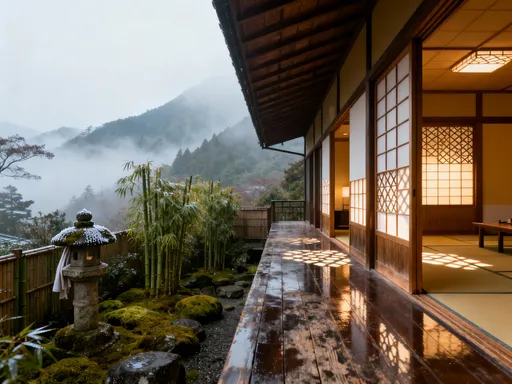
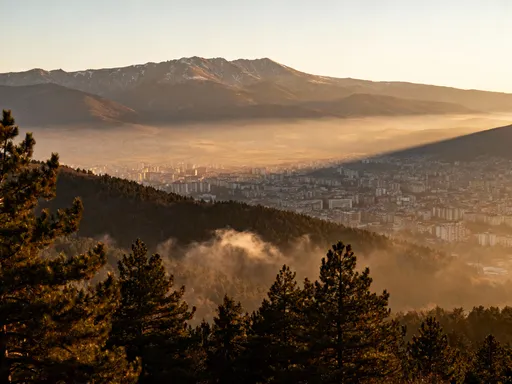
Landing in Salalah during the Khareef season is like stepping into a different Arabia. The air carries a cool, earthy scent—damp soil, blooming jasmine, and the faintest trace of rain on stone. Outside the airport, instead of the expected desert haze, you’re greeted by emerald hills, terraced farms, and clouds that drift low over the mountains. This is not the arid, sun-bleached landscape many imagine when they think of the Gulf. Salalah, nestled in Oman’s Dhofar region, transforms each summer when the southwest monsoon sweeps in, painting the region in lush greenery for nearly three months. The phenomenon, known locally as Khareef, turns the city into a natural retreat where fog rolls over wadis and water trickles down ancient stone channels.
The streets are quiet, not with emptiness, but with a kind of calm reverence. Men in traditional dishdashas walk slowly under shaded sidewalks, while families gather in parks beside fountains fed by natural springs. There’s a rhythm here that feels unhurried, as though time itself has softened. Unlike the towering skylines of neighboring Gulf cities, Salalah maintains a low profile—literally and culturally. Buildings rarely rise above three stories, preserving sightlines to the sea and the hills. This modest scale isn’t due to lack of development, but a deliberate respect for place and proportion.
What strikes visitors most is how seamlessly nature and tradition coexist. You’ll see herders guiding goats along misty slopes, children flying kites in green meadows, and elders sipping tea in open-air majlis circles. There’s no performative tourism here—no exaggerated displays for cameras. Instead, the culture reveals itself quietly, through daily rituals and unspoken courtesies. It’s this authenticity that sparks curiosity. What shaped this unique corner of Arabia? How has it preserved its identity while the world changes so rapidly around it? The answers begin in the markets, mosques, and quiet corners where history still breathes.
Al-Haffa Souq: Where Tradition Sells Itself
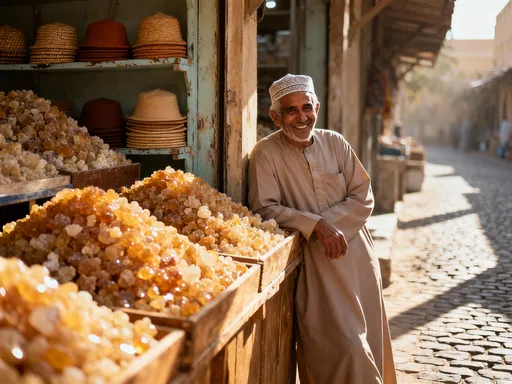
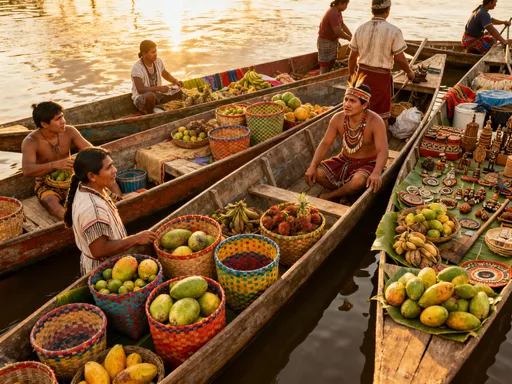
Walking into Al-Haffa Souq is like entering a living archive of Omani life. The market isn’t designed for Instagram backdrops or souvenir hunters. It’s a place where grandmothers bargain for fresh goat cheese, fishermen lay out their morning catch on banana leaves, and spice merchants fan out mounds of saffron, turmeric, and dried limes. The air is thick with fragrance—smoky frankincense resin stacked in amber heaps, wild honey oozing from cracked combs, and bundles of dried myrrh tied with twine. This is not a reconstructed bazaar for tourists; it’s where locals come to live, eat, and trade, just as they have for generations.
One of the most striking aspects of Al-Haffa is the role of conversation in commerce. Vendors don’t rush transactions. Instead, they invite you to sit, offering sweet Omani tea in small glasses while sharing stories about their families, the season’s harvest, or the origin of their frankincense. A man selling hand-carved wooden incense burners explains how his grandfather taught him to shape each piece using tools passed down for 70 years. A woman weaving palm fronds into baskets pauses to demonstrate the technique, her fingers moving with muscle memory. These interactions aren’t performances—they’re extensions of Oman’s deep-rooted hospitality, where welcoming a guest is a cultural duty, not a transaction.
The souq’s layout is organic, not engineered. Narrow alleys branch unpredictably, leading to open courtyards where butchers hang fresh meat under fans, or to shaded stalls selling hand-stitched leather sandals. There are no price tags, no loud music, no plastic trinkets. What you find instead are goods rooted in necessity and tradition: woven palm mats, copper coffee pots, medicinal herbs, and bolts of hand-loomed fabric. Even the lighting is soft—natural sunlight filtering through palm-thatch roofs or the warm glow of incandescent bulbs strung on wires.
What makes Al-Haffa so special is that it resists commodification. While other Gulf cities have turned their markets into polished, air-conditioned malls with faux-traditional facades, Salalah’s souq remains stubbornly real. It’s not trying to impress. It simply is. And in that honesty lies its cultural power—a place where economy, tradition, and community are still inseparable.
Sultan Qaboos Mosque: Quiet Grandeur
Rising modestly on the edge of the city, the Sultan Qaboos Mosque is a study in understated elegance. Unlike the grand, gold-domed mosques found in other Gulf capitals, this place of worship exudes calm rather than spectacle. Its white limestone façade blends into the soft light of early morning, and the twin minarets—elegant but not towering—frame the skyline with dignity. There are no flashing signs, no loudspeakers blaring, only the occasional call to prayer that drifts gently over the neighborhood. The mosque was built in honor of Oman’s late ruler, Sultan Qaboos, a leader widely respected for his vision of modernization without cultural erasure.
Visitors are welcome, but entry is governed by respect. Non-Muslim guests must dress modestly—women cover their heads with scarves and wear loose-fitting clothing; men avoid shorts and sleeveless shirts. Shoes are removed at the entrance, and silence is expected inside. These aren’t arbitrary rules but expressions of reverence for a space where spirituality and architecture meet. Once inside, the effect is immediate: a hush falls, not imposed, but naturally embraced. The vast prayer hall is illuminated by soft chandeliers, and the handwoven Persian carpet—spanning the entire floor—bears intricate geometric patterns in deep blues and reds.
What’s remarkable is how the design fosters contemplation. There are no statues, no icons, only calligraphy from the Quran etched into marble panels. The acoustics are perfect—the whisper of footsteps, the rustle of fabric, even a child’s quiet breath—all seem amplified, reminding visitors of their presence in a sacred space. Yet, there’s no sense of exclusion. Guides welcome questions, explaining the significance of the mihrab (prayer niche) or the qibla wall that points toward Mecca. The message is clear: this is not a museum piece, but a living house of worship, used daily by the community.
For many travelers, the experience transcends religion. It becomes a moment of cultural immersion—understanding how faith shapes daily rhythm, architecture, and social values. In a world where religious sites are often politicized or turned into tourist spectacles, Salalah’s mosque stands apart. It doesn’t perform piety. It embodies it, quietly and consistently, in every stone and silence.
Salalah Museum: Unlocking Southern Oman’s Past
Nestled near the city center, the Salalah Museum offers a rare kind of storytelling—one that lets artifacts speak for themselves. Unlike Western-style museums with dramatic lighting, interactive screens, or curated narratives shaped by foreign perspectives, this space feels grounded, almost humble. The exhibits are arranged chronologically, tracing the history of Dhofar from prehistoric settlements to the maritime trade era. There are no flashy reconstructions or audio guides. Instead, glass cases hold pottery shards, bronze tools, and ancient coins—each labeled in Arabic and English, with brief but informative descriptions.
One of the most compelling sections focuses on the frankincense trade, which once made this region a crossroads of empires. Displays include resin samples, incense burners from different eras, and maps showing the ancient trade routes that linked Dhofar to Egypt, India, and the Roman world. You learn that frankincense wasn’t just a luxury—it was currency, medicine, and sacred offering. The museum doesn’t exaggerate; it lets the facts convey the significance. A single piece of fossilized resin, over 2,000 years old, speaks volumes about the region’s enduring legacy.
Another gallery is dedicated to Omani seafaring traditions. Models of dhow boats—wooden vessels used for centuries in Indian Ocean trade—sit beside navigational tools like astrolabes and hand-drawn charts. Photographs from the 1950s show fishermen mending nets on the beach, their lives unchanged by modernity. The museum also honors Bedouin culture, with displays of woven tents, leather water bags, and traditional musical instruments. These items aren’t presented as relics of a vanished past, but as evidence of resilience and adaptation.
What stands out is the absence of colonial framing. The narrative is Omani, shaped by local historians and curators. There’s no attempt to exoticize or oversimplify. Instead, the museum functions as a quiet act of preservation—a way to ensure that younger generations understand where they come from. For visitors, it’s an invitation to slow down, to look closely, and to appreciate history not as entertainment, but as lived experience. In a region often reduced to stereotypes, the Salalah Museum offers depth, dignity, and truth.
Al-Baleed Archaeological Park: A Walk Through Time
Along the coast, where the sea meets the city, lies Al-Baleed Archaeological Park—a site where history rises from the sand. Once a thriving port in the medieval incense trade, this area was central to Oman’s maritime power between the 10th and 16th centuries. Today, the ruins are carefully preserved, with excavated foundations, ancient walls, and a reconstructed *bayt* (traditional house) that gives visitors a tangible sense of daily life centuries ago. The park is not fenced off or overly commercialized. Pathways wind naturally through the site, shaded by date palms and frangipani trees, allowing exploration at a contemplative pace.
The most striking feature is the remains of a large mosque and fortress, both built from coral stone and limestone. Archaeologists have uncovered prayer niches, storage rooms, and even a cistern system that collected rainwater—an engineering feat for its time. Information panels, written in clear language, explain the site’s role in regional trade and defense. But it’s the reconstructed *bayt* that truly brings the past to life. Inside, you’ll find low wooden stools, woven mats, copper cooking pots, and a central hearth. The layout reflects Omani values of family, hospitality, and privacy—rooms arranged around a central courtyard, with separate spaces for men and guests.
Al-Baleed is more than ruins; it’s a UNESCO-recognized part of the Land of Frankincense, a World Heritage designation that underscores its global significance. The incense trade routes that passed through here connected Arabia to Africa, Asia, and Europe, making Dhofar a cultural melting pot long before the modern age. The park doesn’t dramatize this history. It presents it with integrity—through excavated artifacts, interpretive signage, and guided tours led by local historians. School groups often visit, children listening intently as guides explain how their ancestors built ships, traded goods, and navigated by stars.
Walking through Al-Baleed, you feel a deep continuity. The sea still laps at the shore, fishermen still launch their dhows at dawn, and the scent of frankincense still lingers in the air. This isn’t a place frozen in time, but one where past and present coexist. It reminds visitors that heritage isn’t just about monuments—it’s about memory, identity, and the stories we choose to preserve.
Local Crafts & Cultural Centers: Keeping Traditions Alive
In a quiet neighborhood on the outskirts of Salalah, a government-supported cultural center hums with quiet activity. Inside, a group of women sit in a circle, their hands moving swiftly over looms, weaving intricate patterns into woolen fabric. This is *al-sadu*—a traditional Bedouin textile art characterized by bold geometric designs in red, black, and white. The women, some in their 60s, learned the craft from their mothers and now teach younger relatives. The center isn’t a performance space; it’s a working studio where skills are passed down, not packaged for tourists.
Elsewhere in the building, artisans craft *dahya*—baskets made from palm fronds, a skill once essential for storing food and carrying goods. The process is meticulous: fronds are dried, split, and woven into tight, durable shapes. An elderly man demonstrates how each stitch must be precise to withstand daily use. These baskets are no longer common in modern homes, but the center ensures the technique survives. Visitors are welcome to observe, ask questions, or even try a simple weave under guidance. There’s no pressure to buy; the focus is on education and preservation.
These centers reflect a broader national effort to protect intangible heritage. Unlike grand monuments, crafts like *al-sadu* and *dahya* are vulnerable to disappearance as lifestyles change. By providing space, materials, and stipends, the Omani government supports artisans without turning them into attractions. The result is authentic cultural transmission—knowledge shared not for profit, but for pride. Women laugh as they work, correcting each other’s tension on the loom; elders recount how their grandmothers used these baskets to carry dates during desert migrations.
What makes these spaces powerful is their informality. They’re not museums with velvet ropes. They’re workshops where tradition is practiced, not displayed. And in that practice, culture stays alive—not as a performance, but as a living, evolving inheritance.
Beyond Monuments: Culture in Everyday Moments
The true essence of Salalah isn’t found only in souqs, museums, or ruins. It lives in the quiet moments between strangers. It’s in the way an elderly man offers you a piece of Omani halwa—sweet, rosewater-infused confection—without expecting anything in return. It’s in the invitation to sit in a roadside majlis, where men in white dishdashas serve cardamom tea in tiny cups and ask where you’re from, not with curiosity, but with genuine warmth. These gestures aren’t scripted. They’re reflexive, rooted in a culture that values generosity above all.
Over tea, conversations unfold naturally. One man speaks of his grandfather, a sailor who navigated the Indian Ocean without instruments, reading stars and wave patterns. Another shares stories of the monsoon migrations—how families once moved inland during Khareef to graze livestock on fresh grass. These aren’t rehearsed tales for tourists; they’re oral histories, passed down through decades. Listening, you realize that culture here isn’t confined to institutions. It’s in the language, the proverbs, the way people greet each other with both hands and a smile.
Even simple acts carry meaning. The way shopkeepers refuse to accept payment for a glass of water. The way children wave from bicycles, calling “Welcome!” in careful English. The way elders nod in greeting, their faces lined with years of sun and sea. These moments, small and unremarkable, form the fabric of daily life. They reveal a society that hasn’t traded hospitality for efficiency, or tradition for speed.
For the traveler, this is the most profound lesson: culture isn’t something you visit. It’s something you experience through presence, patience, and openness. In Salalah, you don’t need a guidebook to understand its soul. You just need to sit, listen, and accept the tea.
Conclusion: Why Salalah Changes How You See Arabia
Salalah doesn’t conform to the usual image of Arabia. There are no skyscrapers, no luxury malls, no staged cultural shows. Instead, it offers something rarer: authenticity. Here, heritage isn’t packaged for consumption. It’s lived—in markets where bargaining is a conversation, in mosques where silence speaks louder than sermons, in homes where stories are shared over tea. To visit Salalah is to understand that culture isn’t a performance. It’s a way of being.
This city challenges the myth that modernity requires cultural erasure. While the world rushes toward homogenization, Salalah moves at its own pace, preserving what matters—not through force, but through daily practice. The frankincense still burns, the looms still click, the dhows still sail. These traditions endure not because they’re preserved behind glass, but because they remain useful, meaningful, and loved.
For travelers, especially those seeking depth over spectacle, Salalah offers a model of respectful exploration. It invites slowness. It rewards curiosity. It reminds us that the most powerful cultural experiences aren’t found on checklist itineraries, but in unplanned moments of connection. When you leave, you don’t just carry souvenirs. You carry a feeling—a sense of having witnessed something real.
In the end, Salalah doesn’t change how you see Oman. It changes how you see Arabia itself. It reveals a region of nuance, resilience, and quiet dignity. And it proves that the most enduring cultures aren’t the loudest—but the ones that simply, steadily, remain themselves.