You Gotta See What Bath Hides in Plain Sight
Walking through Bath feels like stepping into a beautifully dressed movie set—except it’s real, and yes, you can shop like royalty here. I didn’t expect much beyond the Roman Baths and honey-colored stone, but the city’s shopping scene blew me away. From quirky boutiques tucked in Georgian lanes to markets bursting with handmade charm, Bath isn’t just pretty—it’s a retail dream. Let me take you where the locals go, not just the tourist trail. This is a city where every cobblestone whispers history, and every shopfront tells a story. Shopping here isn’t about logos or luxury alone; it’s about discovery, craftsmanship, and connection. Whether you’re hunting for vintage treasures, local art, or the perfect handmade gift, Bath offers an experience that lingers long after your bags are unpacked.
The Heartbeat of Bath: Milsom Street & The Paragon
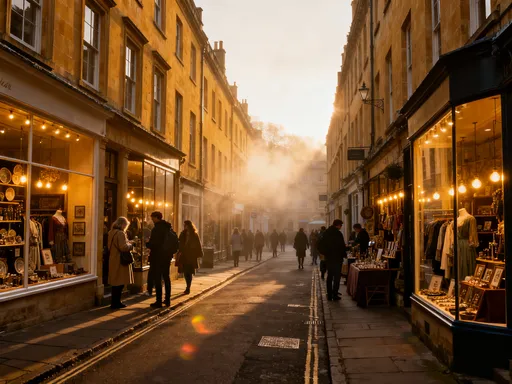
Milsom Street and The Paragon are the twin anchors of Bath’s shopping identity—one a bustling thoroughfare of curated retail, the other a graceful arc of Georgian elegance that frames the city’s grandeur. Milsom Street, often cited as one of the UK’s oldest purpose-built shopping streets, stretches like a ribbon through the city center, lined with a blend of high-end brands and independent boutiques. Here, you’ll find familiar names like Whistles and White Stuff nestled beside smaller, locally owned stores that specialize in handcrafted accessories or British-designed clothing. What sets Milsom apart is not just the merchandise, but the atmosphere—a seamless fusion of 18th-century architecture and modern retail sensibility. The honeyed Bath stone buildings rise two or three stories high, their symmetrical windows and wrought-iron details unchanged for centuries, while inside, curated displays invite leisurely browsing.
The Paragon, just a short walk downhill, offers a different rhythm. This sweeping crescent of 18th-century townhouses curves along a quiet street, its façade a masterclass in Palladian design. While not a shopping district in the traditional sense, several of its grand buildings now house specialty shops, art galleries, and design studios. One notable example is a boutique that sells hand-printed stationery using traditional letterpress techniques—an homage to Bath’s literary heritage. The area exudes a refined calm, making it ideal for those who prefer a more contemplative pace. Unlike the busier shopping zones, The Paragon encourages you to slow down, admire the architecture, and appreciate the quieter side of Bath’s retail culture.
Navigating these two areas doesn’t require a map, but it does benefit from strategy. Milsom Street can get crowded, especially on weekends and during peak tourist season. To avoid the crush, aim to arrive early in the morning when shopkeepers are just opening their doors and the sunlight glints off the stone façades. Many stores offer exclusive morning promotions or freshly stocked displays that won’t last past noon. The Paragon, being less commercialized, remains relatively serene throughout the day, though a mid-morning stroll offers the best light for photography and window gazing. Together, these streets represent the duality of Bath’s shopping experience: vibrant yet elegant, historic yet alive with contemporary flair.
Market Magic: Green Park & Bath Christmas Market
If Milsom Street represents Bath’s polished side, Green Park Station reveals its creative soul. Once a disused railway terminus, this revitalized space now thrives as a hub for artisans, food producers, and independent designers. Housed beneath the original Victorian train shed, the market occupies a series of repurposed railway arches, each transformed into a cozy retail nook. On any given Saturday, you might find a ceramicist demonstrating hand-thrown pottery, a small-batch chocolatier offering samples of sea salt caramels, or a vintage clothing vendor sorting through racks of 1970s silk blouses. The air carries a mingling of freshly baked bread, roasting coffee, and beeswax candles—an olfactory map of the market’s offerings.
What makes Green Park special is its emphasis on authenticity. Unlike generic craft fairs, this market prioritizes local makers and sustainable practices. Vendors are carefully selected through an application process that values craftsmanship, originality, and environmental responsibility. Many sellers grow their own ingredients, source materials ethically, or upcycle discarded fabrics into wearable art. This commitment to quality and conscience resonates with visitors who want their purchases to mean something. A jar of lavender honey from a nearby farm, for instance, isn’t just a sweet treat—it’s a connection to the Somerset countryside and the people who tend it.
Equally enchanting is the Bath Christmas Market, an annual event that transforms the city into a winter wonderland. Held in the grounds of Bath Abbey and spilling into surrounding squares, the market features over 150 wooden chalets adorned with twinkling lights and garlands. While it draws tens of thousands of visitors each year, its layout and management ensure it never feels chaotic. The stalls offer an exquisite range of handcrafted goods: hand-blown glass ornaments, woolen scarves dyed with natural pigments, and wooden toys carved by local artisans. Food and drink are equally impressive—steaming mugs of spiced cider, warm gingerbread, and mulled wine served in reusable commemorative mugs help keep spirits high in the chilly air.
The Christmas Market isn’t just about shopping; it’s a cultural event that brings the community together. Carolers in period dress sing from the abbey steps, children marvel at the giant nutcracker displays, and families gather around fire pits to roast chestnuts. For many locals, visiting the market is a cherished tradition, as much a part of the season as decorating the tree. While it’s undeniably popular, arriving on a weekday evening or during the first week of December can offer a more relaxed experience. The festive lights, the scent of pine, and the gentle hum of conversation create a mood that’s joyful without being overwhelming—a rare balance in seasonal events of this scale.
Hidden High Streets: Stall Street and Westgate Shopping Centre
Just beyond the well-trodden paths of Milsom Street and the Abbey lie two often-overlooked retail spaces that offer both convenience and character: Stall Street and the Westgate Shopping Centre. Stall Street, though short in length, is rich in history and function. It connects the historic market area with the modern shopping district, serving as a living bridge between past and present. Centuries ago, this was the site of Bath’s open-air market, where farmers and traders sold produce, cloth, and livestock. Today, while the livestock are long gone, the spirit of commerce remains. The street is lined with a mix of national retailers and local businesses, from a long-established tea shop serving Earl Grey in fine china to a shoe repair service that has operated in the same location since the 1950s.
What makes Stall Street worth a visit is its authenticity. Unlike more polished shopping avenues, it retains a lived-in quality—windows slightly dusty, awnings faded by the sun, doors that creak when opened. These imperfections add charm, suggesting a place shaped by daily life rather than tourism. A pharmacy on the corner still displays glass jars of herbal remedies, and a small florist arranges seasonal bouquets in galvanized buckets outside the shop. It’s the kind of street where shopkeepers remember regular customers by name and offer recommendations based on personal taste rather than algorithms.
Adjacent to Stall Street, the Westgate Shopping Centre provides a contrast in form but not in spirit. Opened in 2018 after a major redevelopment, the Westgate is a modern, covered mall designed to blend with Bath’s architectural heritage. Its stone façade and arched entrances echo the city’s Georgian style, while the interior offers climate-controlled comfort—especially welcome on rainy days. Inside, the mix of stores leans toward practicality: a supermarket, a pharmacy, a bookshop, and several clothing retailers. But it also hosts pop-up stalls featuring local designers and seasonal artisans, ensuring that even within a contemporary space, the emphasis remains on community and craftsmanship.
The Westgate’s design includes rooftop terraces with panoramic views of the city, making it not just a shopping destination but a vantage point. Families often stop here for a coffee break, and seniors appreciate the accessible walkways and seating areas. By integrating modern amenities without sacrificing aesthetic harmony, the Westgate demonstrates how a city can evolve without losing its soul. Together, Stall Street and the Westgate offer a balanced retail experience—one rooted in history, the other in functionality, both essential to understanding Bath’s full shopping landscape.
Independent Gems: Boutiques That Define Bath’s Style
Bath’s true retail magic lies in its independent boutiques—small, distinctive stores that reflect the city’s creative energy and attention to detail. One standout is Tatty Devine, a jewelry brand known for its bold, whimsical designs. Located in a narrow Georgian townhouse, the shop feels like stepping into a cabinet of curiosities. Necklaces shaped like vintage keys, earrings inspired by botanical prints, and cuffs adorned with miniature clocks turn the space into a wearable art gallery. The staff, often artists themselves, offer personal styling advice and share the stories behind each piece, creating a shopping experience that feels intimate and meaningful.
Another gem is Glassboat Gallery, a contemporary art space that doubles as a retail destination. Specializing in British studio glass, the gallery showcases delicate vases, sculptural bowls, and colorful wall pieces created by artists from across the UK. Each item is accompanied by a card detailing the maker’s name, technique, and inspiration. Prices range from affordable small pieces to investment-grade artworks, making it accessible to both casual browsers and serious collectors. The gallery also hosts regular exhibitions and artist talks, reinforcing its role as a cultural hub as much as a shop.
Book lovers will find equal delight in independent bookshops like Mr B’s Book Emporium, consistently ranked among the best in the UK. Tucked away on a quiet lane, this labyrinthine store is a haven of well-curated titles, hand-written recommendations, and cozy reading nooks. The staff practice the “blind date with a book” concept—wrapping novels in brown paper with a brief, intriguing clue—encouraging serendipitous discovery. Whether you’re searching for a memoir, a poetry collection, or a beautifully illustrated cookbook, the booksellers guide you with genuine enthusiasm, never pushy, always perceptive.
These boutiques share a common thread: they prioritize experience over transaction. They’re not designed for quick in-and-out shopping but for lingering, touching, and connecting. In an age of online convenience, they offer something irreplaceable—the human touch. By supporting these stores, visitors do more than buy a product; they participate in a culture of creativity and care that defines Bath’s character.
Vintage & Thrift: Where to Hunt for One-of-a-Kind Treasures
Bath’s vintage and secondhand scene has grown steadily in recent years, reflecting a broader shift toward sustainable and mindful consumption. For those who love the thrill of the hunt, the city offers a rewarding array of vintage clothing stores, charity shops, and retro homeware boutiques. One of the best areas to explore is Walcot Street, a narrow lane just south of the city center known for its eclectic mix of antique dealers and independent retailers. Here, you’ll find shops specializing in 1940s silk dresses, 1960s mod coats, and 1980s designer denim—each piece carefully curated and often one of a kind.
Charity shops in Bath are particularly noteworthy for their quality and organization. Unlike the cluttered thrift stores sometimes found elsewhere, many of Bath’s charity boutiques are run like professional retail spaces, with proper lighting, display racks, and even fitting rooms. Stores supporting causes like Sue Ryder, Mind, and Oxfam frequently stock high-end donations—think Burberry trench coats, leather handbags, and vintage scarves from Liberty London. Prices are modest, making it possible to find luxury items at a fraction of their original cost. Some locations even host seasonal “super sales” where select items are reduced by up to 50 percent, drawing savvy shoppers from across the region.
For home decor, retro enthusiasts should visit shops offering mid-century furniture, vintage kitchenware, and collectible ceramics. One store near Queen Square specializes in 1950s enamelware and atomic-era tableware, its shelves lined with pastel-colored teapots and chrome cocktail shakers. Another focuses on lighting, selling restored brass floor lamps and glass pendant fixtures from the 1930s. These items aren’t just decorative; they carry a sense of history and craftsmanship often missing in modern mass-produced goods.
Shopping secondhand in Bath is more than a budget-friendly choice—it’s an act of environmental stewardship and cultural appreciation. By choosing pre-loved items, visitors reduce waste and support circular economies. At the same time, they gain access to unique pieces with stories to tell. Whether it’s a wool coat with a monogrammed lining or a hand-painted plate from a defunct pottery, each find becomes a personal artifact, linking the present to the past in a tangible way.
Craft & Local Crafts: From Pottery to Perfume
Bath’s artisanal tradition extends beyond retail into the realm of hands-on creation. The city is home to a growing number of craft workshops and studios where visitors can watch artisans at work—or even try their hand at making something themselves. One popular destination is a ceramics studio in the Southgate area, where potters throw clay on the wheel, glaze finished pieces, and fire them in a kiln visible through a glass partition. Guests can book short workshops to create their own mug or bowl, guided by experienced instructors. The resulting pieces, though imperfect, carry a personal significance that store-bought items rarely match.
Another standout is a small perfume atelier tucked into a mews off Union Street. Here, a master perfumer blends essential oils to create bespoke fragrances based on individual preferences. The process begins with a consultation—what scents evoke comfort? What memories do you want to capture?—followed by the careful layering of top, middle, and base notes. The result is a unique scent, bottled in a hand-labeled glass vessel. These perfumes aren’t mass-produced; each batch is mixed in small quantities, ensuring freshness and exclusivity. They make deeply personal gifts—or a luxurious treat for oneself.
Other craft experiences include soap-making classes using natural ingredients like lavender, oatmeal, and goat’s milk; candle-making workshops with beeswax and essential oils; and knitting circles that meet in cozy cafés to share patterns and stories. These activities aren’t just about the end product; they’re about slowing down, engaging the senses, and reconnecting with the rhythm of making. In a world dominated by speed and convenience, they offer a rare opportunity to create with intention.
For those who prefer to observe rather than participate, many craft stores double as galleries. A shop near the Royal Crescent displays handwoven textiles, each piece labeled with the weaver’s name and the location of the loom. Another sells hand-bound journals made from recycled paper and linen thread, their covers stamped with botanical motifs. These items are more than souvenirs; they are testaments to skill, patience, and care—values that resonate deeply with visitors seeking meaning in their travels.
Shopping Smart: Timing, Tips, and Local Etiquette
To fully enjoy Bath’s shopping culture, a few practical strategies can make a significant difference. Timing is key. The city sees peak foot traffic between 11 a.m. and 3 p.m., especially on weekends and during school holidays. To avoid crowds, aim for weekday mornings or late afternoons. Many independent shops open at 9:30 or 10 a.m., giving early risers a peaceful window to explore. Additionally, the period just after lunch—around 2:30 p.m.—often sees a lull, as tourists head to cafes or attractions, leaving the shops quieter and more conducive to conversation with staff.
Transportation also plays a role. Bath’s city center is compact and best explored on foot, but parking is limited and expensive. The most convenient option is to use Park & Ride services from the outskirts, which offer frequent bus connections to the center. Alternatively, Bath Spa railway station is just a 10-minute walk from Milsom Street, with clear signage and accessible routes. For those with mobility concerns, the city has improved accessibility in recent years, with ramps, lifts, and designated shopping assistance available at major centers like Westgate.
When shopping, a few etiquette guidelines enhance both your experience and the local community’s goodwill. First, take time to engage with shopkeepers. Many are passionate about their products and happy to share insights—whether it’s the origin of a soap, the history of a building, or the best nearby café. Second, consider carrying reusable bags; single-use plastics are discouraged, and many stores offer discounts for bringing your own. Third, respect the pace of service. Bath is not a city built for haste. Transactions may take longer, and that’s part of the charm. Patience is appreciated, and rushing is rarely rewarded.
Finally, support local when possible. While national chains have their place, the independent retailers are the heartbeat of Bath’s economy and culture. Buying a hand-thrown mug, a locally made scarf, or a bottle of artisanal gin isn’t just a purchase—it’s a small act of preservation. These businesses rely on visitor support to survive, and each sale helps sustain the city’s unique character. By choosing thoughtfully, you become part of the story, not just an observer.
More Than a Shopping Trip—A Cultural Stroll
Shopping in Bath is not merely a transactional act; it is a cultural immersion. Every boutique, market stall, and craft studio reflects the city’s deep respect for history, craftsmanship, and community. To walk its streets with curiosity is to engage with a living tradition—one that values quality over quantity, connection over convenience, and beauty with purpose. The Roman Baths may draw the crowds, and the Abbey may inspire awe, but it is in the quiet lanes and hidden arches where Bath reveals its true soul.
For the thoughtful traveler, especially women between 30 and 55 who value meaning in their experiences, Bath offers something rare: retail with resonance. Here, a scarf isn’t just fabric; it’s woven by hands that care. A jar of honey isn’t just a sweetener; it’s a taste of the Somerset hills. A book isn’t just entertainment; it’s a recommendation from someone who reads deeply. These are not purchases but moments of connection—with people, places, and traditions.
As you plan your visit, consider what you hope to bring home. Not just gifts, but memories. Not just items, but stories. Let Bath guide you beyond the obvious, into the spaces where creativity thrives and community endures. In doing so, you don’t just shop—you belong. And that, perhaps, is the most valuable souvenir of all.