Tired of 'I’ll check the price later'? This scanning trick just saved me every shopping trip
We’ve all been there—standing in the aisle, staring at two nearly identical products, wondering which one truly gives us more value. You want to make smart choices, but comparing prices, checking reviews, and tracking deals feels like a second job. What if your phone could do the heavy lifting? I discovered a game-changing way to use scanning tools that turned my chaotic shopping runs into smooth, confident decisions—without the stress or guesswork. It wasn’t magic, just a simple shift in how I used the tech I already carry. And now, I wonder how I ever shopped without it.
The Everyday Struggle: When Shopping Feels Like a Puzzle
Picture this: it’s 5:30 PM, the kids are hungry, your partner texted asking if you picked up the gluten-free pasta, and you’re standing in front of a wall of almond milk cartons. Some are organic. Some say ‘unsweetened,’ others don’t. One is on sale, but the container is smaller. Your brain is tired. Your list is incomplete. And now you’re second-guessing whether the brand you bought last time was actually any good.
This isn’t just shopping. It’s decision fatigue in full swing. Every choice—big or small—drains a little energy. And when you’re doing it for a household, the stakes feel higher. You’re not just picking something for yourself. You’re thinking about nutrition, budgets, allergies, preferences, and long-term values like sustainability or animal welfare. No wonder so many of us say, “I’ll check the price later,” only to forget or end up paying more online a week after buying it in-store.
I used to come home with bags full of things I wasn’t even sure I wanted. I’d find a better deal the next day and kick myself. Or worse—I’d realize the “healthy” snack I bought was packed with sugar. Over time, these little missteps added up. Not just in money, but in stress. I felt like I was always one step behind, trying to be a good manager of our home while barely keeping up with the basics.
That’s when I started asking: what if I could make better decisions in the moment—without slowing down? What if the answers were already in my pocket?
Meet the Tool Hiding in Your Pocket: Scanning Tools Beyond Barcodes
Here’s something that surprised me: the camera on my phone is one of the most powerful shopping tools I own. Not because I’m taking photos of deals (though I used to try that), but because it can scan, recognize, and tell me things about products—fast. And I’m not talking about just scanning a barcode to see a price. I mean pointing my camera at a product and getting instant access to reviews, ingredient analysis, comparisons, and even alerts about sales history.
Most of us think of barcode scanners as old-school—something from the early 2000s that just told you the name of a product. But today’s scanning apps are smarter. They use image recognition, like how your phone unlocks with your face. The camera looks at the packaging, reads the label, and matches it to a massive database. Then, in seconds, it pulls up everything from customer ratings to nutritional breakdowns to whether it’s part of a current promotion.
And the best part? You don’t need to be tech-savvy. These tools are built into apps that are free, easy to download, and designed for real life. I started with one that came recommended by a friend—she said she’d cut her grocery bill by 15% just by using it regularly. I was skeptical. But after my first real test—scanning a jar of peanut butter and discovering a nearly identical brand for $2.30 less—I was hooked.
It’s like having a shopping assistant who’s always awake, never tired, and remembers every detail. No more flipping between tabs on your phone. No more trying to read tiny labels under fluorescent lights. One tap, and the information comes to you.
From Scan to Smarter Choice: How One Tap Transforms Your Buying Habits
Let me tell you about the cereal moment. I was in the kids’ aisle, looking for something that wasn’t full of sugar but still tasted good enough that they wouldn’t complain. I picked up a box—looked okay, colorful, said “whole grain.” But when I scanned it, the app flagged something: 12 grams of sugar per serving. That’s more than a chocolate chip cookie. And right below it, the app suggested two alternatives—same taste profile, same price range, but under 5 grams of sugar and higher in fiber.
I stood there, surprised. I’d been buying the high-sugar one for months, thinking I was making a decent choice. That one scan didn’t just save me money—it changed what I felt good about putting in my cart. It gave me confidence. And that feeling? It’s addictive.
Since then, I’ve used scanning to make better decisions across the board. Dairy? I scan for added hormones and antibiotics. Snacks? I check for artificial colors and preservatives. Cleaning supplies? I look for eco-friendly certifications. Each scan takes less than five seconds, but the payoff is huge. I’m not just buying products—I’m aligning them with what matters to my family.
And it’s not just about health. Last month, I scanned a set of reusable containers and found they were on sale online for 40% off—but only for the next 24 hours. I didn’t buy them in the store. I waited, ordered them that night, and saved $18. That’s real money back in my pocket, with zero extra effort.
This isn’t about being perfect. It’s about making better choices, more often, without adding stress. And once you get into the rhythm of scanning, it becomes second nature—like checking the weather before you leave the house.
Pro Tip: Build Your Personal Shopping Filter
Here’s the secret most people don’t know: you can teach your scanning app what matters to you. It’s like setting up a personal shopper who learns your preferences over time. I call it my “shopping filter,” and it’s changed everything.
Most apps let you set priorities—like “low sugar,” “no artificial ingredients,” “under $5,” or “cruelty-free.” Once you do, the app starts highlighting products that match your values. It even warns you when something doesn’t fit. For example, I have “dairy-free” flagged because my daughter has a sensitivity. Now, when I scan something, it instantly tells me if it’s safe—no more squinting at ingredient lists or calling my partner to double-check.
Setting this up took me less than ten minutes. I opened the app, went to “Preferences,” and toggled the things I care about. I added “organic when possible,” “BPA-free packaging,” and “good user ratings.” I even set a budget cap for certain categories, like snacks and household items. Now, when I scan, the app gives me a quick color-coded signal—green for “great fit,” yellow for “okay but not ideal,” and red for “probably skip.”
It’s amazing how much time this saves. I used to spend minutes comparing two similar items, trying to decide. Now, the app does the heavy lifting. I trust it because it’s based on real data, not just marketing claims. And the best part? I can update my filter anytime. When we started trying to reduce plastic waste, I added “recyclable packaging” to my list. Within a week, I’d discovered three new brands I love that fit the bill.
This isn’t about letting technology make decisions for me. It’s about using it to support the choices I already want to make. It’s like having a quiet helper on my shoulder, reminding me of my goals when I’m tired or distracted.
Scan Offline, Save Online: Bridging the Physical and Digital Worlds
Let’s be honest—most of us still shop in stores. There’s something about seeing, touching, and smelling products that online shopping can’t replace. But in-store shopping comes with a downside: you don’t always have access to online prices, reviews, or deals. That’s where scanning bridges the gap.
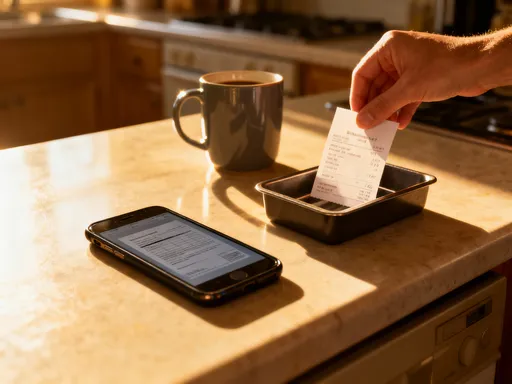
I’ve started using my scanner as a kind of “memory extension.” When I see something interesting in the store—say, a new laundry detergent—I scan it. Even if I don’t buy it, the app saves it to my list. Later, at home, I can check if it’s cheaper online, read more reviews, or wait for a sale. No more forgetting the brand name or writing it on a napkin that gets lost.
Last month, I scanned a set of kitchen knives at a department store. They looked high-quality, but the price made me hesitate. I didn’t buy them. But because I’d scanned them, I got a notification two days later: “Price dropped 25%—available online.” I ordered them that night and saved $30. Without scanning, I’d have forgotten about them completely.
This habit has also helped me avoid impulse buys. Now, when I’m tempted by something shiny or on display, I scan it first. The act of scanning creates a pause—a moment to think. Often, by the time I see the full details, I realize I don’t really need it. Other times, I discover it’s not as good a deal as it seemed. Either way, I win.
And for the things I do want? I can add them to a saved list and buy them later during a sale event, like Prime Day or Black Friday. It’s like giving myself permission to wait—without losing the opportunity.
Sharing the Smarts: How Scanning Helps the Whole Household
One of the most unexpected benefits of scanning? It’s brought our family closer together around our choices. I used to make grocery decisions alone, then get frustrated when my partner bought something that didn’t fit our budget or my daughter reacted to something she was allergic to. Now, we share the app.
We set up a family account, and everyone can see the lists, filters, and alerts. My husband scans protein bars before buying them—he wants to make sure they’re low in sugar and high in protein. My daughter, who’s learning to cook, scans ingredients to check if they’re vegan. Even my mom uses it now when she shops for us—she scans for sodium levels because she’s watching her blood pressure.
We’ve created shared lists for meal planning. On Sundays, we sit together and scan the items we’ll need for the week. The app helps us spot duplicates, avoid overbuying, and stick to our budget. It’s become part of our routine—quiet, practical, and surprisingly bonding.
There’s less conflict now. No more “Why did you buy that?” or “I thought we were trying to eat healthier.” We’re all on the same page, literally. And when someone finds a great deal or a new product they love, they share it with the group. It feels like teamwork.
It’s not just about saving money or eating better. It’s about caring for each other in small, consistent ways. Scanning has become a language of love in our home—a way to say, “I thought of you when I made this choice.”
Beyond the Cart: How This Habit Changes More Than Spending
When I first started scanning, I thought the benefit would be financial. And yes, I’ve saved money—hundreds of dollars a year, actually. But what I didn’t expect was how much it would change the way I feel every day. I feel calmer. More in control. Less guilty about my choices. I’m not perfect, but I’m more intentional.
There’s a quiet confidence that comes from knowing you’re making informed decisions. It’s not about being a “perfect” shopper or never making a mistake. It’s about moving through the world with more awareness, more clarity, and less noise. I’m not just buying things—I’m building a home, a routine, a life that reflects what I value.
And over time, those small wins add up. Saving $2 here, avoiding a product with an allergen there, discovering a better option for the planet—it all contributes to a bigger sense of peace. I’m not overwhelmed by choices because I have a system. I’m not second-guessing myself because I have data. I’m not stressed because I’m prepared.
This isn’t about technology replacing human judgment. It’s about technology supporting it. It’s about using a simple tool—a scan—to create space for what really matters: time with family, health, peace of mind, and the freedom to focus on the things that bring joy.
So the next time you’re standing in that aisle, staring at two similar products, wondering which one to grab—don’t just guess. Don’t say, “I’ll check later.” Pull out your phone. Point the camera. Scan. Let the tool help you. Because the best part of smart tech isn’t the gadget itself. It’s how it helps you live a little lighter, a little wiser, and a lot more like yourself.