More Than Filters: How Photo Apps Help Me Protect My Personal Space
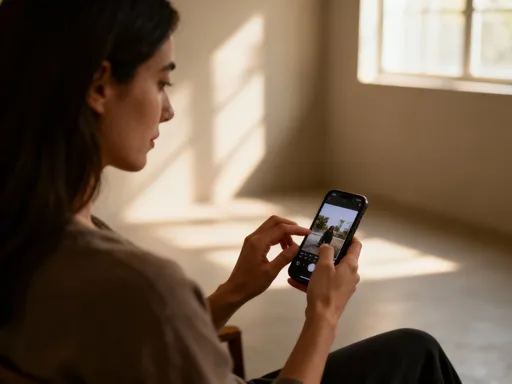
Remember when photo editing was just about making selfies look prettier? For me, it’s become something deeper—a quiet way to reclaim space in a world that never stops demanding attention. Between endless notifications and shared group chats, my phone used to feel like public property. But lately, editing photos has turned into a personal ritual, one that helps me slow down, reflect, and decide what belongs in my life—and what doesn’t. It’s not about perfection. It’s about peace. What started as a few taps to brighten a dim photo has grown into a daily practice of emotional grounding. And I’m not alone. More women I know are using photo apps not just to enhance images, but to protect their inner calm, their privacy, and their sense of self in a digital world that often feels too loud, too fast, and too exposed.
The Cluttered Mind Behind the Screen
Let’s be honest—how often do you pick up your phone only to feel more overwhelmed than when you started? I used to scroll through my camera roll and feel a knot in my stomach. Not because the photos were bad, but because they reminded me of how little control I had over my digital life. Every birthday party, school play, or quiet morning coffee had been captured, uploaded, tagged, and shared—sometimes before I’d even had a chance to truly experience it. There was a constant pressure to perform, to prove I was living well, parenting well, looking well. And behind that pressure was something deeper: a loss of personal space.
Our phones were supposed to make life easier, but somewhere along the way, they became another place we had to show up, dress up, and keep up. I remember one rainy Saturday, my youngest was drawing at the kitchen table, her hair in messy pigtails, a smear of blue marker on her cheek. I snapped a photo—just for me, just because it was sweet. But before I could even save it, a message popped up: “Post this! She’s too cute not to share.” It was from a friend in a group chat. And in that moment, I felt a wave of guilt. Why wasn’t I sharing? Was I being a bad mom for wanting to keep this moment to myself?
That’s when I realized something important: our digital lives don’t have to be public by default. Just because we can share everything doesn’t mean we should. The constant expectation to document and broadcast every meaningful moment—sometimes even the ordinary ones—can leave us emotionally drained. We start to live for the post, not the experience. And in the process, we lose touch with the quiet joy of simply being present. For me, the clutter wasn’t just in my camera roll—it was in my mind. Too many voices, too many opinions, too many eyes on moments that were meant to be mine.
So I started asking myself: Who is this photo for? If the answer wasn’t “me,” I paused. I didn’t delete the habit of taking pictures—I just changed my relationship with them. And that shift began with something simple: editing.
From Vanity to Intention: The Shift in Photo Editing
I’ll admit it—I used to think photo editing was a bit shallow. Filters, brightening eyes, smoothing skin… it all felt like trying too hard. But then, during a tough week last winter, I found myself opening an old photo of my daughter laughing in the backyard, sunlight catching her curls. The image was dark, a little blurry, but the feeling in it was real. On impulse, I opened my photo app and adjusted the brightness. Then I softened the shadows. I cropped out the neighbor’s fence that had accidentally made it into the frame. And suddenly, the photo felt… calmer. More like how I remembered it.
That small act did something unexpected. It didn’t make the photo more beautiful for others—it made it more true for me. I wasn’t editing to impress. I was editing to reflect. To honor the way the moment had felt, not just how it looked. That’s when I realized photo editing could be a form of emotional curation. Each adjustment—contrast, color tone, cropping—became a quiet decision about what I wanted to keep and what I wanted to let go of.
One evening, after a long day of juggling work calls and school pickups, I took a photo of my hands wrapped around a mug of tea. The lighting was flat, the background cluttered with mail and half-finished to-do lists. I didn’t want to share it. I didn’t even want to look at it. But instead of deleting it, I played with the app’s mood presets. I selected a warm, muted tone. I darkened the edges, creating a soft vignette that drew focus to the steam rising from the cup. I cropped out the chaos. And suddenly, the image felt peaceful. It wasn’t about hiding the mess—it was about choosing where to place my attention.
This became a ritual. After the kids went to bed, I’d open my photo app and spend ten minutes editing—not for social media, but for myself. I’d go through recent photos and ask: How do I want to remember this? What feeling do I want to keep? Editing became a way to slow down, to process the day, to reclaim ownership of my memories. It wasn’t vanity. It was intention. And in a world that pulls us in ten directions at once, that kind of focus felt like a gift.
Creating Digital Boundaries with Simple Tools
Here’s something we don’t talk about enough: our phones can be sanctuaries, not just distractions. But only if we set boundaries. For me, photo editing apps became one of the first places I learned to draw those lines. I started paying attention to which features helped me feel safe and which made me feel exposed. One of the most powerful tools? Editing photos locally—without automatically backing them up to the cloud. That meant no algorithm scanning my images, no unexpected tags, no risk of a private moment showing up in a shared album or suggestion feed.
I remember a photo of my mother sitting on the porch swing, her hands folded in her lap, sunlight on her face. She’d just gotten some difficult news, and for a moment, she wasn’t performing, wasn’t smiling for the camera. She was just… there. I took the photo quickly, quietly. I didn’t want to disturb her. And I knew I didn’t want to share it. But I also didn’t want to lose it. So I opened my editing app, adjusted the contrast to capture the soft light, and saved it to a private album labeled “Quiet Moments.” That album became a digital journal of sorts—photos I edited not for others, but to help me remember the depth of ordinary life.
Another boundary I set was around facial recognition. Many apps now offer it as a convenience—“Let us tag your family automatically!” But for me, that felt like giving away too much. So I turned it off. Instead, I manually organize photos by who’s in them, using simple folder names like “Family Sundays” or “Just Me.” That way, I stay in control of who appears where. It takes a little more time, but it feels more intentional. It reminds me that these memories belong to me—and that I get to decide how they’re stored, shared, or kept private.
These small choices add up. Every time I choose not to share, not to sync, not to tag, I’m saying: This moment matters to me. It doesn’t need an audience. And in doing so, I’m protecting something precious—my right to have private thoughts, private feelings, private memories. In a world that treats everything as content, that’s a radical act of self-respect.
Personalization as Self-Care
We often think of self-care as bubble baths and face masks. But for me, it’s also about how I organize my digital life. And photo apps have become one of my most soothing tools. I’ve started using them not just to edit images, but to create digital spaces that feel calm, familiar, and deeply mine. For example, I now sort my photos not just by date or event, but by mood. I have albums titled “Calm,” “Joy,” “Rainy Days,” and “Kitchen Light”—each filled with images that evoke a certain feeling. When I’m feeling overwhelmed, I open the “Calm” album and let the soft colors and quiet scenes settle my mind.
Some apps let you create slideshows with no music, no transitions—just images, one after another, in silence. I love this. I’ll play one while I drink my morning tea, letting the visuals wash over me without commentary or distraction. It’s like a meditation. One morning, I watched a slideshow of photos from our summer trip to the lake—my son skipping stones, my daughter building a sandcastle, the way the light hit the water at dusk. No captions. No voiceovers. Just stillness. And in that silence, I felt more connected to those memories than I had in months.
I’ve also started using photo apps to create digital photo books—something I can flip through on my tablet or print when I want a physical copy. I made one last year called “Small Wonders,” filled with everyday moments: a spiderweb glistening with dew, my husband’s hand resting on the car steering wheel, a half-eaten apple on the counter. I didn’t edit these photos to be perfect. I edited them to feel real. And when I look through that book, I’m reminded of how much beauty exists in the unposed, the unplanned, the unshared.
These practices have turned photo editing from a chore into a form of care. Each choice—how I crop, how I label, how I organize—becomes a small act of kindness toward myself. I’m not just managing files. I’m tending to my emotional world. And in a life that often feels too busy, too loud, too demanding, that kind of attention is everything.
Teaching My Phone to Reflect My Values
One of the most empowering things I’ve learned is that technology doesn’t have to run my life—I can shape it to support me. I started looking at my phone not as a fixed device, but as a space I could design. And photo apps became one of the first places I made changes. I went into the settings and turned off auto-backup for certain albums. That way, sensitive moments—like a hospital visit or a quiet conversation with a friend—stay on my device unless I choose to share them. I also disabled location tagging for personal photos. I love capturing moments, but I don’t need the world—or an algorithm—knowing exactly where I was when I felt safe, or sad, or at peace.
I chose a photo app with a minimalist interface—no flashy ads, no suggested posts, no endless scroll. Just clean tools and simple navigation. When I open it, I don’t feel pulled into someone else’s agenda. I feel grounded. I also use the “focus mode” feature during editing—turning off notifications so I can be fully present with the image in front of me. It’s amazing how much more thoughtful I am when I’m not being interrupted by a text or an email.
Another change was using facial recognition selectively. I keep it on for family members in shared albums, so I can find photos of my kids quickly. But I’ve trained the app to ignore certain people—like neighbors or coworkers—so their faces aren’t tagged or suggested. It’s a small setting, but it gives me a sense of control. I’m not letting technology decide what’s important. I am.
These tweaks didn’t take long, but they’ve made a big difference. My phone no longer feels like a source of stress. It feels like a companion—one that listens, remembers, and respects my boundaries. And that shift has spilled over into other areas of my life. When I feel overwhelmed, I don’t reach for social media. I open my photo app and edit. I slow down. I reconnect. I remember who I am.
Sharing with Meaning, Not Pressure
Let’s talk about sharing. It’s easy to fall into the trap of posting everything—birthdays, milestones, even breakfast—to prove we’re living well. But I’ve started to question that. What if we shared less, but with more meaning? What if we treated each post like a letter, not a broadcast? That’s the mindset I’ve adopted. Now, when I edit a photo, I ask: Who needs to see this? How will it make them feel? Is this for me, or for applause?
I’ve started sending edited photos directly to family instead of posting them. Last month, I took a photo of my dad teaching my son how to whittle a piece of wood. The light was golden, their hands moving slowly, carefully. I edited it to emphasize the warmth in the scene—richer browns, softer shadows—and then sent it to my sister with the note: “Remember how he taught us?” She called me that night, her voice thick with emotion. That moment of connection meant more than any number of likes ever could.
I’ve also begun creating digital photo books for holidays—Mother’s Day, birthdays, anniversaries—and sending them as gifts. One year, I made a book for my mom called “Years of You,” filled with photos from childhood to now. I didn’t include every image—just the ones that captured her strength, her quiet love, her laugh lines. When she opened it, she cried. Not because the photos were perfect, but because they were seen. Because someone had taken the time to say: I notice you. I remember you.
Sharing this way feels different. It’s slower. It’s quieter. But it’s deeper. It’s not about reach. It’s about resonance. And in a world that rewards speed and volume, choosing slowness and intention is its own kind of courage.
Building a Digital Life That Feels Like Me
At the end of the day, personal space isn’t just about having a quiet room or a locked journal. It’s about having emotional and digital room to breathe. And for me, photo editing has become one of the most powerful ways to create that space. It’s not about rejecting technology—it’s about reshaping it so it serves me, not the other way around. Every time I open my app, adjust a tone, or save a photo to a private album, I’m making a quiet declaration: This is mine. This moment, this memory, this feeling—no one else gets to define it.
I’ve learned that peace isn’t found in escaping technology, but in using it with purpose. My phone doesn’t have to be a source of noise. It can be a place of reflection, of memory, of care. And when I treat photo editing as an act of self-respect, everything changes. I become more present. More intentional. More at ease.
The women I talk to—my friends, my sisters, the moms at school pickup—often say they feel too busy, too exposed, too stretched thin. But what if we started small? What if we used the tools we already have to create pockets of peace? You don’t need a new app or a fancy device. You just need to start asking: What do I want to keep? What do I want to share? And what does this moment mean to me?
Because your digital life doesn’t have to mirror the chaos of the world. It can be a sanctuary. It can be soft. It can be yours. And sometimes, all it takes is a few quiet taps on a screen to remember who you are—and what truly matters.