Overwhelmed by cluttered notes and missed deadlines? Here’s how I reclaimed my focus and peace
Have you ever opened your phone to check one thing—only to realize 45 minutes later you’re still scrolling, your to-do list untouched? I’ve been there. The constant pings, the scattered thoughts, the feeling that your day is slipping away. It’s not just about being busy—it’s about losing control. But what if the tools you already use could actually help you think clearer, stay organized, and feel more in charge of your life? What if the solution isn’t more discipline, but a smarter way of using the tech that’s already in your pocket? That’s exactly what I discovered when I stopped fighting my devices and started working with them.
The Breaking Point: When My Phone Became My Stressor
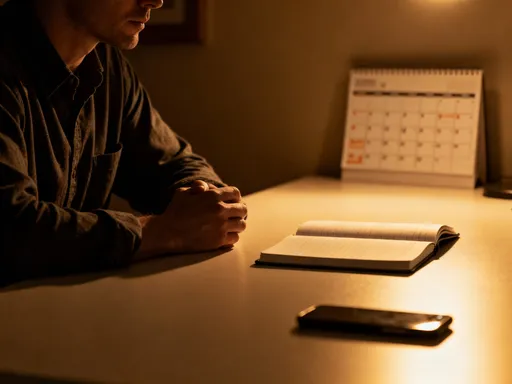
There was a time when I truly believed I had it all together. I was the one who remembered birthdays, kept the calendar updated, and always had a notebook in my bag. But slowly, things started slipping. I missed a school event for my nephew. I forgot to RSVP to my best friend’s birthday dinner. And worst of all, I didn’t know why. I wasn’t lazy. I wasn’t careless. I was just… overwhelmed. My phone, which was supposed to be my assistant, had become my biggest source of stress. I had notes in three different apps, reminders scattered across email and text messages, and a calendar that looked like a puzzle no one could solve.
One morning, I woke up to a flood of messages—my sister asking why I hadn’t called, my neighbor wondering if I’d seen the group chat about the block party, and a work email with the subject line: 'Deadline passed.' My stomach dropped. I remembered the project, of course. I’d even written it down—somewhere. But between a voice memo I never transcribed, a sticky note stuck to an old coffee cup, and a half-typed reminder buried in my messages, I’d failed to follow through. That moment wasn’t just embarrassing—it was a wake-up call. I realized I wasn’t failing because I didn’t care. I was failing because my system was broken. The tools were there, but I wasn’t using them in a way that served me. And that made all the difference between feeling capable and feeling defeated.
Realizing the Problem Wasn’t Me—It Was My Digital Habits
After that low point, I started paying attention—not just to what I was doing, but to how I was doing it. I asked myself: Why do I save articles to read later but never actually read them? Why do I take photos of whiteboards in meetings and then forget where I saved them? I began tracking my digital behavior for a week, not to judge myself, but to understand. And what I found surprised me. I wasn’t spending an outrageous amount of time on my phone—just under three hours a day, which felt reasonable. But the way I used that time was chaotic. I’d open an app to check one thing, get distracted by a notification, open another app, and suddenly an hour had vanished.
The real issue wasn’t the technology itself. My phone wasn’t broken. The apps weren’t flawed. The problem was that I had no consistent system. I was using each tool in isolation, with no connection between them. Voice memos lived in one place, notes in another, tasks in a third. There was no central hub, no rhythm to my digital life. I realized I was treating my devices like storage bins—tossing things in and hoping I’d find them later. But life isn’t a junk drawer. You can’t just dump things and expect to function well. The clutter wasn’t just on my screen—it was in my mind. Every unfinished task, every forgotten reminder, added to a quiet background noise of anxiety. And that noise was stealing my peace, one missed deadline at a time.
Building a Simple System: How I Organized My Digital Life
I knew I needed a change, but I didn’t want to spend hours learning a new app or setting up a complicated system. I wanted something simple, sustainable, and easy to stick with. So I started small. I picked one note-taking app—something I already had on my phone—and decided to use it for everything. Not just notes, but tasks, ideas, meeting summaries, even grocery lists. I created just three main folders: 'To-Do,' 'Waiting On,' and 'Someday.' That’s it. No fancy labels, no color-coding, no complicated rules. The goal wasn’t perfection. It was consistency.
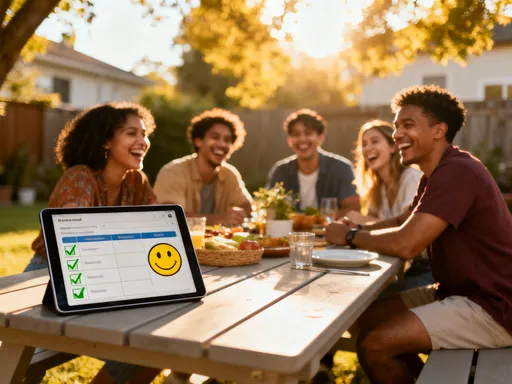
Each morning, I spent five minutes reviewing what was in my 'To-Do' list. If something was done, I moved it to a 'Done' section—just to see progress. If something was still pending, I decided: do it now, schedule it, or move it to 'Someday.' If I was waiting on someone else—like a reply from my sister about weekend plans—I put it in 'Waiting On' so I wouldn’t forget to follow up. I also turned off most notifications. Only my calendar, messaging app, and the note-taking app could make a sound. Everything else stayed silent. This simple shift made a huge difference. Instead of reacting to every ping, I was in control of when and how I checked in.
The biggest change was mental. Before, I felt like I had to remember everything. Now, I trusted my system. If it wasn’t in the app, it didn’t exist. That might sound extreme, but it was freeing. I stopped worrying about forgetting things because I knew they were captured. Over time, this routine became second nature. I didn’t have to think about it. I just did it. And that’s when I noticed something amazing: my mind felt lighter. I wasn’t carrying the weight of unfinished business anymore. I had space to breathe, to focus, to be present.
Using Screen Time Data to Work for Me, Not Against Me
Like many people, I used to dread looking at my screen time report. It felt like a report card I was bound to fail. Seeing that I’d spent two hours on social media in one day made me feel guilty and weak. But then I shifted my mindset. Instead of seeing it as a judgment, I started treating it as feedback—like a mirror showing me my habits without shame. I began asking questions: When am I most distracted? What triggers my mindless scrolling? Which apps give me energy, and which drain it?
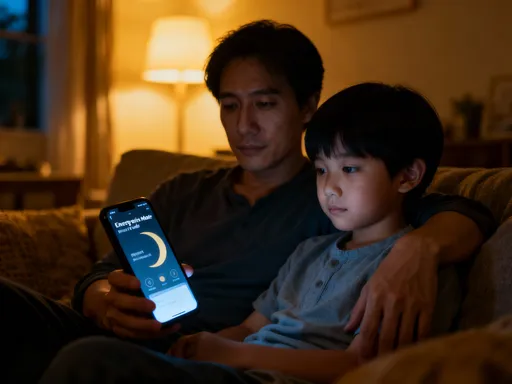
I noticed a clear pattern: I reached for social media most during work breaks or when I felt stuck on a task. It wasn’t boredom—it was a need to reset. But instead of giving myself a real break, I was feeding my brain with noise. So I made a few small but powerful changes. I moved social media apps to a folder on the last page of my phone—out of sight, out of mind. I set daily time limits, so when I hit 30 minutes, the app would lock. And in the evenings, I turned on grayscale mode after 8 PM. The screen turned black and white, making it way less appealing to scroll. These weren’t punishments. They were gentle nudges to help me stay aligned with my intentions.
Another thing I started doing was scheduling 'tech check-ins' instead of reacting to every alert. I’d check messages, email, and social media at set times—once in the morning, once after lunch, and once in the evening. That way, I stayed connected without being constantly interrupted. The result? I still used my phone, but I used it with purpose. I wasn’t avoiding technology—I was using it wisely. And that made all the difference between feeling drained and feeling in control.
How Better Organization Boosted My Confidence and Productivity
Within just a few weeks, I started noticing real changes—not just in my productivity, but in how I felt. I arrived at appointments on time. I remembered to call my mom on her birthday. I completed work projects without last-minute panic. But more than that, I felt calmer. The constant background hum of 'Did I forget something?' started to fade. Each small win—like checking off a task or finding a note instantly—built up my confidence. I began to trust myself again.
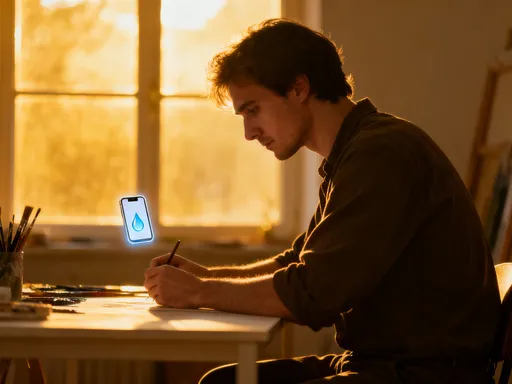
One of the most unexpected benefits was mental clarity. Because I wasn’t spending energy trying to remember things, I had more room to think creatively. I started journaling again. I read more books. I even picked up a new hobby—watercolor painting—because I finally had the mental space to explore it. I realized that organization isn’t just about getting things done. It’s about creating space for the things that matter—like peace, creativity, and connection.
And here’s the thing: I didn’t become a productivity robot. I still have messy days. I still forget things sometimes. But now, I have a system to fall back on. When life gets chaotic, I return to my simple routine—review, sort, reset. It’s like having a anchor in the storm. The tools didn’t change. My phone is the same. The apps are the same. But the way I use them has transformed my life. I’m not just doing more. I’m living better.
Sharing the System: Helping My Family Stay on Track Too
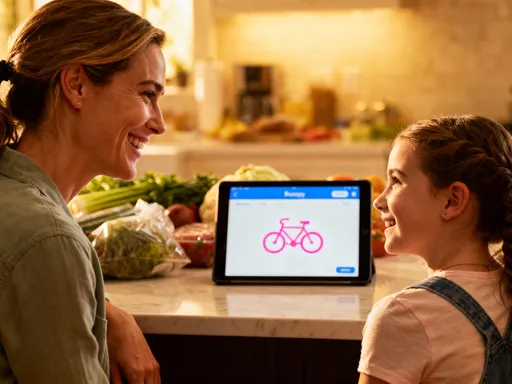
When I saw how much this simple system helped me, I wanted to share it with the people I love. I started with my partner. We created a shared list for groceries, another for home repairs, and a third for family events. Instead of texting back and forth, we just added items to the list. It sounds small, but it eliminated so many little frustrations. No more 'Did you remember to buy milk?' or 'When is the plumber coming?' It was all in one place, visible to both of us.
I also introduced the idea to my parents. My mom, who used to cover her fridge with sticky notes, was hesitant at first. But I showed her how to use one app to keep track of her doctor’s appointments, book club meetings, and even her favorite recipes. I helped her set up simple folders and showed her how to add reminders. Now, she texts me proudly when she checks something off. 'I used my list!' she says. 'No notes on the fridge today!' It’s not just about organization—it’s about confidence. She feels more capable, more independent, and less stressed.
Even my sister got in on it. We created a shared list for our family holiday planning—gift ideas, travel dates, meal prep. Instead of long group chats with conflicting information, we have one clear source of truth. We check in once a week, update the list, and move forward together. It’s brought us closer, not just in planning, but in communication. We’re not just sharing tasks—we’re sharing peace of mind. And that’s something no app could promise, but our simple system delivered.
A Calmer, Clearer Life: Why This Matters Beyond Productivity
Looking back, this journey wasn’t really about apps or notifications. It was about reclaiming my attention, my time, and my peace. In a world that pulls us in a hundred directions, having a simple, reliable system is like giving yourself a gift—one that keeps on giving. I’m not saying I never feel overwhelmed. Life happens. But now, I have tools that help me reset, refocus, and return to what matters.
What I’ve learned is that technology isn’t the enemy. It’s a tool—like a kitchen knife or a sewing machine. It can either serve us or sabotage us, depending on how we use it. When I started using my devices with intention, they became allies instead of distractions. I stopped feeling guilty about screen time and started feeling grateful for the ways tech can support my life—when used wisely.
Most importantly, I’ve found more joy in the everyday. I’m more present with my family. I listen better. I worry less. I make space for things that bring me happiness—like long walks, quiet mornings with tea, and phone calls with old friends. The digital clutter is gone, and in its place is clarity. And that, more than any checklist, is what I was really looking for. So if you’re feeling overwhelmed, scattered, or just a little lost in the noise—know this: it’s not you. It’s your system. And you have the power to change it. One small step at a time, you can build a life that feels calmer, clearer, and more in your control. You’ve got this.