Beyond the Daily Grind: How a Commute App Gave Me Back My Mornings and My Calm
You know that rushed, foggy feeling during your morning commute? I did—every single day. Juggling hot coffee, traffic, and hot flashes made me arrive at work drained before the day even started. Then I found a simple app designed for women in menopause, tailored to my commute. It didn’t just organize my travel time—it reshaped my mornings, reduced my stress, and gave me space to breathe. This isn’t about tech for tech’s sake. It’s about real relief, one ride at a time.
The Chaos Before: My Morning Commute Was Breaking Me
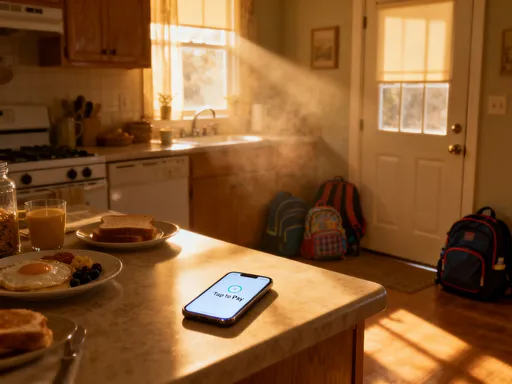
There was a time when I thought the chaos of my morning commute was just part of being a working woman in her forties. I’d wake up already behind—kids needing breakfast, laundry piling up, emails blinking from the night before. I’d rush out the door with a travel mug of coffee that was either too hot or already cold, keys in one hand, scarf in the other, heart already racing. The drive to work, just 45 minutes on the map, felt like an endurance test. Traffic jams appeared like clockwork. Horns blared. My palms would sweat on the steering wheel, and then—inevitably—came the wave of heat. A hot flash, right there in stop-and-go traffic, with no escape. I’d roll down the windows, fan myself with a folder, and try to laugh it off, but inside, I felt defeated. I wasn’t just late—I was emotionally and physically unraveling before my workday had even begun.
Looking back, I realize how much that daily grind was wearing me down. It wasn’t just the time spent in the car. It was the constant tension—the unpredictability of delays, the irritation of rude drivers, the way my body seemed to betray me at the worst moments. I’d arrive at my desk flushed, flustered, and mentally scattered. My focus was shot. I’d forget simple tasks, snap at colleagues, and feel too drained to tackle the day’s priorities. And the worst part? No one talked about it. It felt like I was the only one struggling, like I just needed to “toughen up” or “get it together.” But the truth is, for women going through perimenopause or menopause, these small daily stressors can feel amplified. Hormonal shifts affect sleep, mood, temperature regulation, and energy levels. And when your commute adds another layer of chaos, it’s not just inconvenient—it’s exhausting. I wasn’t just dealing with traffic. I was dealing with a body and a life in transition, and I needed support that saw me as a whole person, not just a driver from point A to point B.
Discovering a Tool That Actually Understood My Needs
It was a rainy Tuesday morning when everything changed. I was stuck in traffic, late for a meeting, and fighting back tears when my phone buzzed. It was my friend Lisa. “Have you tried that commute app I told you about?” she asked. “The one that helps with menopause symptoms?” I groaned. Another app? I already had a dozen productivity tools cluttering my phone, none of which helped with the real issues I faced. But Lisa insisted. “It’s not just GPS,” she said. “It’s like a wellness coach for your drive.” Skeptical but desperate, I downloaded it that evening.
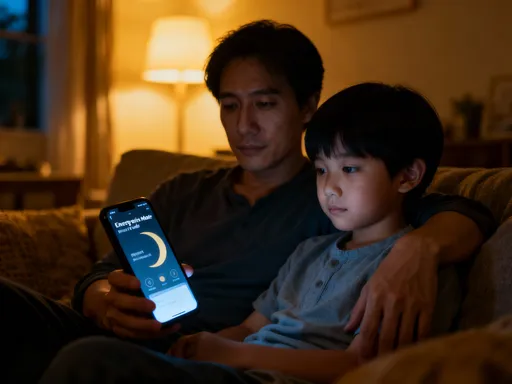
The next morning, I opened the app and was greeted not with a map, but with a simple question: “How are you feeling today?” I tapped “tense” and “overheated.” Within seconds, the app adjusted my usual route, suggesting a slightly longer path with less congestion and more tree-lined streets. It reminded me to leave 10 minutes earlier than usual, based on traffic patterns and my personal stress history. As I drove, soft audio cues guided me: “Inhale for four… hold… exhale for six.” A breathing exercise, perfectly timed for a red light. I followed along, surprised at how quickly my shoulders dropped. Halfway through, the app suggested a brief detour to a quiet park where I could pull over and stretch if needed. I didn’t stop, but just knowing the option was there made me feel calmer.
What struck me most was how personal it felt. This wasn’t a one-size-fits-all navigation tool. It learned from me. Over time, it began to anticipate my needs. If my calendar showed a high-stakes meeting, it would nudge me to hydrate and suggest a five-minute grounding meditation before arrival. If my sleep data (synced from my wearable) showed poor rest, it adjusted its alerts to be gentler, less demanding. It didn’t bombard me with notifications. Instead, it offered quiet, timely support—like a co-pilot who knew exactly when to speak and when to stay silent. For the first time, technology didn’t feel cold or intrusive. It felt intuitive. It felt like it was on my side.
How the App Transformed My Mornings
The shift didn’t happen overnight, but within a few weeks, my mornings felt completely different. I was no longer reacting to chaos—I was planning for calm. The app helped me leave at the optimal time, not just to avoid traffic, but to avoid the emotional toll of rushing. On days when my cycle data predicted higher anxiety, it suggested leaving 12 minutes earlier. That small buffer made all the difference. I wasn’t white-knuckling the wheel, watching the clock, and cursing every red light. I was arriving with time to spare, cooler in body and mind.
The app also started routing me away from high-pollution zones—areas with heavy traffic and poor air quality—which I hadn’t even realized were making my headaches worse. It factored in weather, air quality, and even noise levels to suggest the most soothing routes. On particularly tough days, it would play a short audio guide: “You’re doing great. Just breathe. You’ve got this.” And somehow, hearing that in my own car, in the middle of rush hour, made me believe it.
My playlist even synced with my mood. If the app sensed I was tense, it would shift from upbeat pop to calming instrumental music. If I was feeling low energy, it would gently boost the tempo. These weren’t big changes, but together, they created a new rhythm. I started arriving at work earlier, not because I was rushing, but because I was moving with intention. Those extra minutes became sacred. I’d park, sip my tea, jot down a few thoughts in my journal, or just sit quietly with my eyes closed. I wasn’t just saving time. I was reclaiming it. And that made all the difference in how I showed up—for my job, for my family, for myself.
Time Management That Feels Human, Not Robotic
Most productivity tools I’ve tried feel rigid—designed for people who live in spreadsheets, not in homes with laundry baskets and school pickups. They demand perfection: wake up at 5:30, meditate for 10 minutes, crush your to-do list by 9 a.m. But real life isn’t like that. Some days, you sleep poorly. Some days, the kids are sick. Some days, your body just feels heavy. And for women in midlife, hormonal fluctuations can make consistency feel impossible. That’s why this app stood out. It didn’t expect me to be perfect. It worked with my reality.
If I logged poor sleep, it adjusted its suggestions. Instead of pushing for an early departure, it might say, “Today, let’s focus on gentle transitions. Maybe leave 5 minutes later and take a slower route.” It reminded me to drink water, not with a harsh alert, but with a soft chime and a message: “Your body will thank you.” Before important meetings, it offered a quick grounding exercise: “Place your hands on the steering wheel. Feel the texture. Take three deep breaths. You’re ready.”
What I loved most was how it treated time—not as a resource to be maximized, but as something to be protected. It didn’t try to squeeze more tasks into my day. Instead, it helped me create space—space to breathe, to center myself, to arrive as the person I wanted to be, not the frazzled version I used to bring into the office. I began to see my commute not as wasted time, but as a transition zone—a bridge between home and work, between mother and professional, between who I was and who I’m becoming. And with the right support, that bridge could be peaceful, even nourishing.
Small Changes, Big Ripple Effects at Home and Work
When I stopped arriving at work stressed and overheated, everything changed. I was more present. My tone with my partner softened. I didn’t snap at my kids over spilled cereal. I had more patience in meetings. I stopped making careless mistakes—like sending emails with typos or forgetting deadlines. My focus improved, and my confidence grew. I wasn’t just surviving the day. I was engaging with it.
My family noticed. “You seem lighter,” my daughter said one evening. “Like you’re not always about to explode.” That stung, but it was true. I had been carrying so much tension, and I hadn’t realized how much it was affecting them. Even my sleep improved. Because my nervous system wasn’t in constant fight-or-flight mode by the end of the day, I could actually relax at night. I wasn’t lying in bed replaying stressful moments from the morning commute. I was able to let go.
The app didn’t cure menopause. It didn’t stop the hot flashes or fix my sleep cycle. But it gave me back a sense of agency. It reminded me that I had choices, even in the small moments. And that sense of control spilled over into other areas of my life. I started meal planning with more intention. I carved out time for short walks. I became better at setting boundaries—saying no to extra projects, protecting my downtime. One small tech tool became a catalyst for broader self-care. It wasn’t about fixing myself. It was about supporting myself—exactly as I was.
Why This Matters Beyond Just Getting from A to B
This experience taught me something powerful: the best technology doesn’t shout. It whispers. It shows up in the quiet moments—when you’re alone in the car, feeling vulnerable, and a gentle voice reminds you to breathe. For women in midlife, who so often feel invisible in both tech and society, tools like this are revolutionary. They say: You’re seen. You matter. Your comfort is important.
Think about it—how many apps are designed with perimenopausal women in mind? How many productivity tools account for hormonal shifts, fatigue, or temperature sensitivity? Most tech is built for a default user who doesn’t experience hot flashes, mood swings, or brain fog. But we’re not outliers. We’re millions of women juggling careers, families, and aging bodies. And we deserve tools that understand us—not just as users, but as human beings.
This app didn’t just help me get to work. It helped me arrive as myself. It honored my needs, respected my pace, and gave me back time that had been quietly stolen by stress and chaos. That’s not just efficiency. That’s dignity. That’s well-being. That’s what happens when technology stops trying to make us faster and starts helping us feel better.
Making It Work for You: A Real-Life Guide to Starting Simple
You don’t have to download an app tomorrow or overhaul your entire routine. The journey to a calmer, more intentional commute starts with small, compassionate steps. Begin by simply noticing how you feel during your drive. Are you tense? Distracted? Overheated? Keep a basic journal or use the notes app on your phone. Just track it for a week. You might be surprised by the patterns that emerge.
Next, explore tools that are designed with *your* needs in mind—not generic productivity hacks. Look for apps that offer customization, gentle nudges, and strong privacy protections. Test one feature at a time. Maybe start with a breathing reminder during red lights. Or try a smarter departure alert that factors in your personal rhythms. Be patient with yourself. Technology is a tool, not a test. The goal isn’t perfection—it’s progress.
And remember: the right tech doesn’t replace self-awareness. It supports it. It helps you tune in, not tune out. It gives you back the space to make choices that honor your well-being. Whether you’re navigating menopause, parenting teens, or simply trying to stay sane in a busy world, you deserve tools that see you, hear you, and help you thrive.
My commute is still 45 minutes. But now, it’s 45 minutes of care, not chaos. It’s time I use to center myself, to breathe, to remember who I am beyond the roles I play. And that—more than any app update or route optimization—is the real transformation. It’s not about getting from A to B faster. It’s about arriving as the woman you want to be, one calm ride at a time.